

DK Weight Yarn Guide 2026: Expert Tips & Crafting Insights
Imagine picking up your needles or hook and discovering a yarn that adapts seamlessly to every season, style, and skill level. That’s the enduring magic of dk weight yarn, a favourite among crafters globally.
As we enter 2026, interest in dk weight yarn continues to rise, captivating both knitters and crocheters eager for versatility and modern design. This guide is here to support your creative journey.
You’ll find expert insights covering everything from what dk yarn is, how to choose the right skein, crafting tips, project inspiration, troubleshooting, and future trends. Ready to unlock new possibilities? Dive into our comprehensive guide and master dk weight yarn with confidence.
What is DK Weight Yarn? Definitions, History & Key Characteristics
DK weight yarn is a cornerstone of the fibre arts world, cherished for its balance of substance and versatility. The term “DK” stands for “Double Knitting”, a reference to its origins in mid-20th-century Britain. Originally, dk weight yarn was designed to be used with double-knit techniques, but today it simply identifies a yarn weight that bridges the gap between lighter sport and heavier worsted options.
In the standard yarn weight system, dk weight yarn sits comfortably in the middle. It is often called “light worsted” in North America and “8ply” in New Zealand and Australia. This classification refers to both its thickness and its adaptability. According to the Craft Yarn Council, dk weight yarn typically produces 5.25 to 5.75 stitches per inch using 3.75 to 4.5mm needles. This makes it an ideal choice for projects that require warmth without excessive bulk, such as midweight garments and accessories. For those wanting to browse a wide selection, the 8 Ply (DK) Yarn Collection showcases the range of options available to New Zealand crafters.
Let’s compare dk weight yarn to other common weights:
| Yarn Weight | Stitches per 10cm | Needle Size (mm) | Common Name |
|---|---|---|---|
| Sport | 24–26 | 3.25–3.75 | 5ply |
| DK | 21–24 | 3.75–4.5 | 8ply |
| Worsted | 16–20 | 4.5–5.5 | 10ply/Aran |
This flexibility means dk weight yarn is suitable for layering pieces, baby clothes, and even lighter homewares, making it a year-round favourite.
Defining DK Weight Yarn
The story of dk weight yarn begins in post-war Britain, where “double knitting” was developed to offer a more practical, faster option for handknitters. The name referred to a yarn that was roughly twice as thick as traditional fingering weight, allowing for quicker progress and a warmer fabric. Over time, the term evolved, and “dk weight yarn” became a global standard, referenced in both vintage and contemporary patterns.
In New Zealand and Australia, “8ply” is the common term, reflecting the number of plies traditionally twisted together to achieve the desired thickness. However, modern spinning techniques mean actual ply count can vary, so always check the recommended gauge and fibre content. Today, dk weight yarn is a staple in both knitting and crochet, valued for its balance of drape, stitch definition, and ease of use.
The Evolution of DK Yarn in Modern Crafting
DK weight yarn has undergone a remarkable transformation since its inception. Initially, it was popularised for “double knit” jumpers and cardigans, especially in post-war patterns that called for efficient, accessible materials. As the craft community expanded, designers began to favour dk weight yarn for its adaptability. It is now featured in both vintage reprints and the latest digital patterns, spanning everything from classic Aran cables to lightweight lace shawls.
In the modern era, dk weight yarn is found in both large-scale commercial brands and artisanal indie dyers’ offerings. Its popularity is evident in the sheer volume of patterns and kits designed specifically for this weight. Whether you’re browsing a 1970s pattern book or a trending online design, dk weight yarn remains a go-to choice for crafters seeking comfort and flexibility.
Core Properties and Fibre Options
A key reason for the enduring appeal of dk weight yarn is its wide range of fibre options. Typical skeins range from 164 to 383 yards per 100g, with yardage varying based on fibre density and spin. Common fibres include merino wool, prized for its softness and elasticity; cotton, ideal for breathability and summer wear; alpaca, which adds warmth and a silky touch; and luxury fibres like cashmere or linen, each bringing unique qualities to the finished fabric.
The fibre content of dk weight yarn directly impacts drape, warmth, stitch definition, and care requirements. For example:
- Merino: excellent elasticity, soft, warm, and machine washable (if superwash).
- Cotton: cool, breathable, holds structure, but less elastic.
- Alpaca: very warm, drapey, soft, sometimes blended for stability.
- Linen: crisp, cool, best for summer garments.
Brands such as Purl Soho’s Pepper and Cashmere Merino Bloom exemplify the diversity within the dk weight yarn category. It is essential to check both the stated weight and the recommended gauge, as yardage alone does not guarantee compatibility between brands.
Globally, dk weight yarn consistently ranks among the top choices for knitters and crocheters. Its versatility, combined with the variety of available fibres and colours, ensures that it will continue to inspire creativity across generations.
Choosing the Right DK Weight Yarn for Your Project
Selecting the best dk weight yarn for your project is both an art and a science. With a wide variety of options available, understanding what to look for on yarn labels, fibre content, and other characteristics will help you achieve the results you want.
Understanding Yarn Labels and Standards
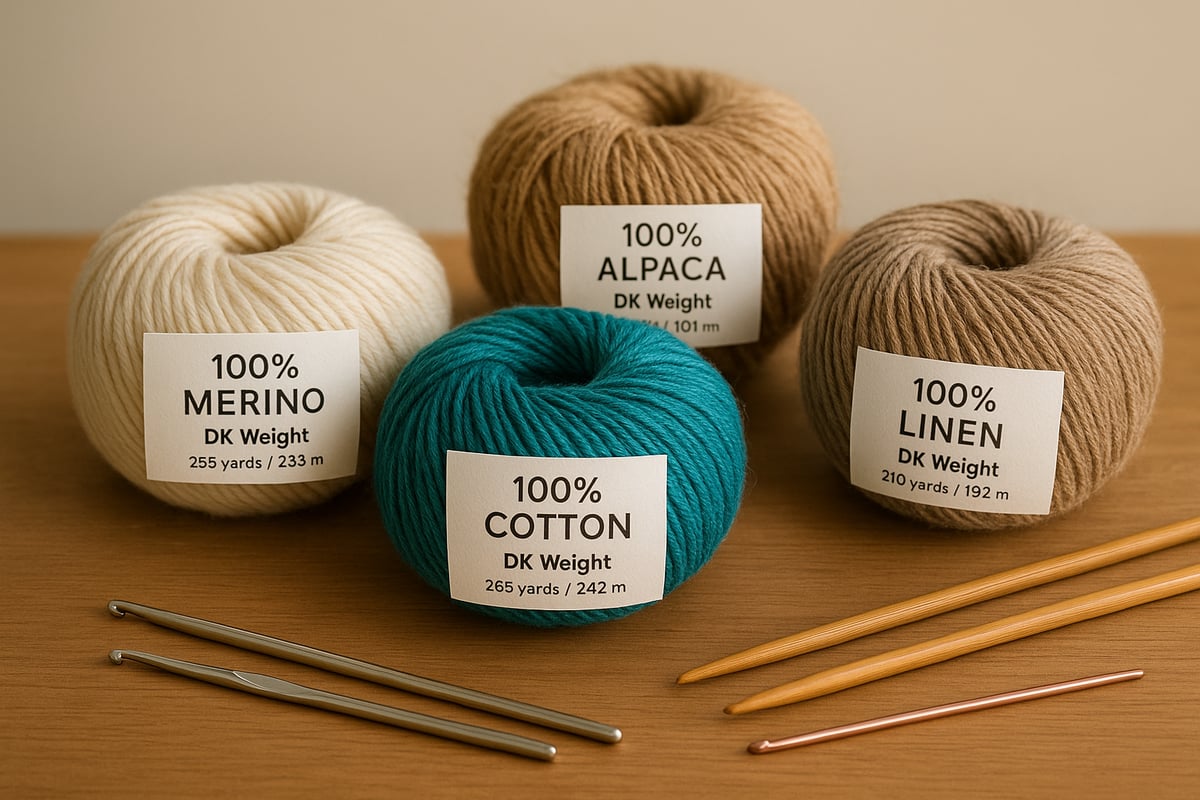
When shopping for dk weight yarn, reading and comparing yarn labels is essential. Each label provides valuable information that guides your choices:
- Yarn weight (e.g., DK, 8ply, light worsted)
- Yardage per skein
- Recommended needle or hook size
- Gauge (stitches per 10cm/4in)
- Fibre content
- Care instructions
In New Zealand and Australia, dk weight yarn is often labelled as 8ply. Internationally, you might see DK or light worsted. The Craft Yarn Council standard for dk weight yarn is 5.25–5.75 stitches per inch on 3.75–4.5mm needles. Always compare labels between brands, as yardage and recommended tools can vary.
Selecting Fibre Content for Your Needs
The fibre content of dk weight yarn directly affects the feel, drape, and care of your finished project. Choosing the right fibre ensures your knitting or crochet turns out as intended. Here is a summary of common options:
| Fibre Type | Pros | Cons | Best For |
|---|---|---|---|
| Merino Wool | Soft, elastic, warm | Can pill, may need hand wash | Garments, accessories |
| Cotton | Breathable, cool, easy care | Less stretch, can split | Summer wear, baby items |
| Alpaca | Very soft, drapes well, warm | Less elasticity, may shed | Scarves, shawls |
| Linen | Cool, strong, improves with wash | Stiff at first, wrinkles | Light tops, homewares |
| Blends | Combine benefits of multiple fibres | Varies by blend | Versatile projects |
Selecting the right dk weight yarn fibre helps you tailor your project to its intended use and care requirements.
Colour, Texture, and Spin Considerations
Texture and colour play a significant role in the outcome of your dk weight yarn project. Plied yarns offer durability and crisp stitch definition, while single-ply or boucle yarns add softness or texture. When choosing yarn, check for colourfastness and dye consistency, especially for multi-skein projects.
Solid shades give a classic look, heathered yarns add depth, and variegated options create unique colour effects. Consider the pattern’s stitchwork when choosing between smooth or textured dk weight yarns, as the right combination can enhance your finished piece.
Matching DK Yarn to Project Types
Dk weight yarn is a go-to choice for a wide range of projects. Its balance of warmth and lightness makes it ideal for garments like sweaters and cardigans, as well as hats, scarves, baby clothes, blankets, and homewares.
Need inspiration? Browse Free DK Yarn Patterns for project ideas that suit all skill levels. To estimate yardage, check your pattern’s requirements and compare them to the skein’s label. Planning ahead ensures you have enough dk weight yarn to finish your creation.
Gauge Swatching and Substitution
Achieving the correct gauge is crucial with dk weight yarn. Always knit or crochet a swatch before starting your main project. Adjust your needle or hook size if your stitches are too tight or too loose compared to the pattern’s specifications.
If you need to substitute one dk weight yarn for another, compare both the gauge and fibre content rather than relying solely on weight or yardage. Typical gauge for dk weight yarn is 21–24 stitches per 10cm, but swatching confirms the best match for your specific pattern and tension.
Expert Crafting Tips: Knitting & Crocheting with DK Yarn
Whether you are a seasoned maker or a beginner, mastering dk weight yarn opens up a world of creative opportunities. This section delivers expert guidance on achieving the best results with dk weight yarn, from perfecting your gauge to exploring advanced colourwork. With the right approach, your projects will stand out for their fit, finish, and longevity.
Achieving Perfect Gauge and Fabric
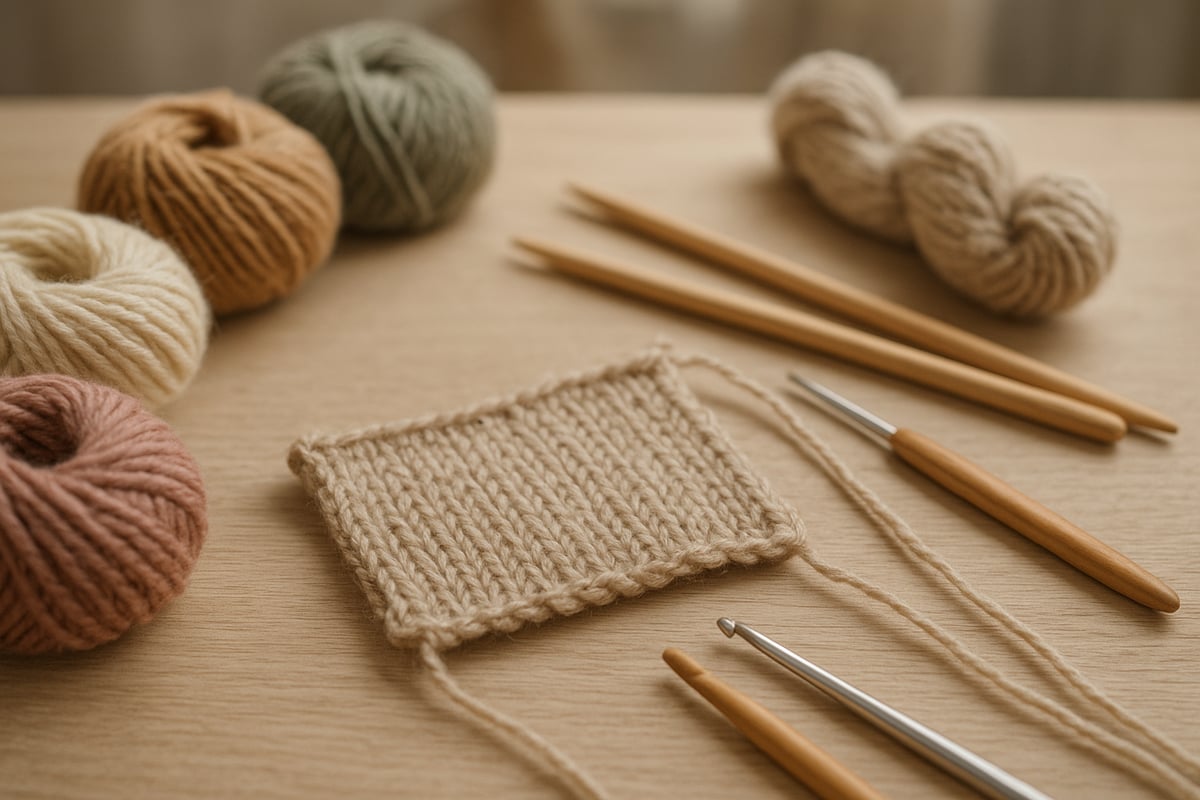
Getting the right gauge is crucial when working with dk weight yarn. Start by knitting or crocheting a gauge swatch at least 10cm x 10cm using the recommended needle or hook size. Measure the number of stitches and rows per 10cm to compare with your pattern.
If your swatch is too tight, move up a needle or hook size. If it is too loose, go smaller. Always block your swatch, especially with natural fibres, to see the true gauge. Consistency is key for garments and accessories, so take time to re-swatch if necessary.
Common issues like uneven stitches often stem from inconsistent tension or mismatched tools. Address these early to ensure your dk weight yarn project has the perfect drape and fit.
Techniques for DK Yarn Success
Selecting the right cast on and bind off methods can make a big difference in your dk weight yarn projects. Stretchy cast ons like the long-tail or tubular cast on work well for garments, while standard bind offs provide a neat finish for accessories.
DK weight yarn shines with a range of stitch patterns. Stockinette and garter stitch highlight smoothness, while cables and lace add texture and visual depth. For sharp stitch definition, use well-plied yarns and keep an even tension.
Explore new ideas and expand your skills with curated 8 Ply (DK) Knitting Patterns, which offer a variety of techniques suited to this versatile yarn weight.
Managing Yarn Splitting and Tension
Yarn splitting can be frustrating, especially with loosely plied or single-ply dk weight yarn. To minimise splitting, use needles or hooks with rounded tips and avoid overly sharp points. Slow down your stitching, particularly with blends that are prone to separation.
Maintaining even tension is essential for professional-looking results. Try to keep your hands relaxed and your movements consistent throughout the project. If you notice uneven stitches, pause and gently stretch your work to even out the tension.
If splitting persists, consider switching to a different brand or fibre blend of dk weight yarn, as construction and fibre content can influence this trait.
Working with Different Fibre Types
Different fibres in dk weight yarn require tailored handling for best results. For cotton and linen, use metal needles or hooks to reduce friction and maintain speed. Merino, alpaca, and blends often benefit from bamboo or wood tools, which help grip slippery yarns.
Blocking is essential for natural fibres. Wet block merino and alpaca for softness and shape, while steam block cotton or linen to set the stitches. Always follow care instructions on the label to preserve the yarn's properties.
Finish your projects by weaving in ends securely and using fibre-appropriate techniques to ensure durability and a polished look.
Combining DK Yarns and Colourwork
Blending different dk weight yarns can create beautiful stripes, marled effects, or gradients. When mixing brands or fibres, always swatch to check gauge and compatibility. For colourwork like Fair Isle or intarsia, use high-contrast shades to make patterns pop.
To avoid tension issues in colourwork, keep floats loose at the back of the fabric and avoid pulling yarn too tightly. Marling, or holding two dk weight yarns together, adds depth and interest to simple stitch patterns.
Experiment with small projects before committing to a large garment, ensuring your chosen dk weight yarns behave as expected in combination.
Care, Washing, and Storage
Proper care extends the life of your dk weight yarn creations. For superwash yarns, machine wash gently in cold water and lay flat to dry. Untreated wools and luxury blends require hand washing with mild detergent and careful blocking to maintain shape.
To prevent pilling, turn garments inside out before washing and avoid excessive agitation. Store finished items in a cool, dry place, using breathable bags or boxes to protect against pests and humidity.
Regularly check stored projects for signs of wear or damage, ensuring your dk weight yarn pieces remain beautiful for years to come.
Wild & Woolly Yarns: Your Local DK Yarn Experts
Wild & Woolly Yarns is New Zealand’s trusted destination for dk weight yarn, offering a thoughtfully curated range of merino, alpaca, cotton, and unique fibre blends. Their team brings over 40 years of expertise, providing personalised guidance to help crafters choose the perfect yarn for garments, accessories, or homewares.
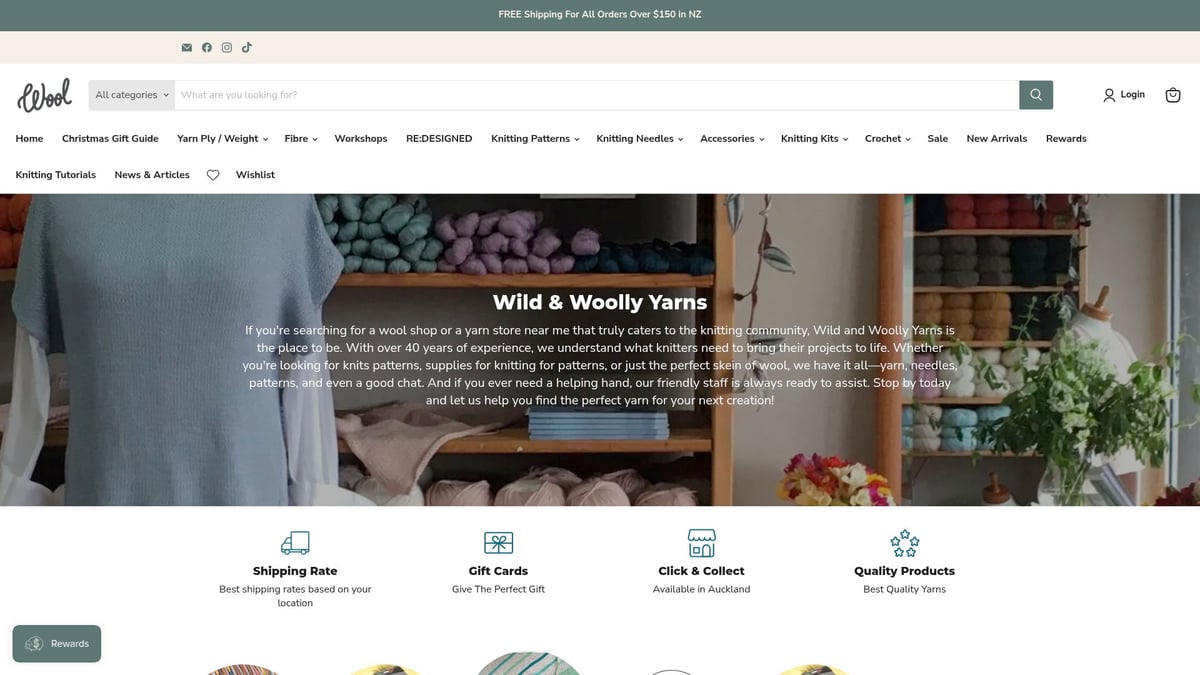
Enjoy both online and in-person shopping, with free NZ shipping on orders over $150 and convenient click & collect in Auckland. Discover extensive digital and printed DK patterns, quality needles, and accessories. For crafters seeking all-in-one solutions, explore their DK Weight Project Kits designed for beginners and advanced makers alike.
Wild & Woolly Yarns also offers workshops, the welcoming “Knit & Natter” group, educational resources, loyalty rewards, and dedicated support for every stage of your creative journey.
DK Yarn Project Inspiration: Patterns, Ideas & Trends for 2026
Finding fresh inspiration for your next project is always exciting, especially with dk weight yarn at the heart of so many trends. As we look ahead to 2026, both knitting and crochet communities are exploring new patterns, techniques, and sustainable fibres. Whether you are seeking a stylish garment, a thoughtful handmade gift, or an innovative home accessory, dk weight yarn continues to offer versatility and creative potential.
Knitting Patterns for DK Yarn
Knitting with dk weight yarn in 2026 is all about combining comfort and style. Trend forecasts show a rise in lightweight sweaters, drapey cardigans, and relaxed-fit hats that suit New Zealand’s variable climate.
Designers are showcasing intricate cables, modern lace, and colourwork yokes, all thriving in the balanced gauge of dk weight yarn. Baby knits and socks made with this yarn remain favourites for their softness and warmth. Free and paid patterns from platforms like Ravelry and Purl Soho highlight the adaptability of dk weight yarn for both simple and advanced projects.
Crochet Patterns and Ideas
Modern crochet is experiencing a renaissance with dk weight yarn as a go-to choice for both structure and softness. Blankets with bold geometric motifs, airy summer tops, and detailed amigurumi toys are leading the way.
The stitch clarity and drape achieved with dk weight yarn make it ideal for both beginners and experienced crocheters. Popular project ideas include lightweight wraps, textured bags, and statement cushion covers. You can find a wealth of patterns from international designers and local creators, ensuring there is always something new to try with dk weight yarn.
Homewares and Gift Projects
Dk weight yarn shines in home décor and gift projects, offering durability and easy care. Blankets and throws remain perennial favourites, balancing warmth and breathability for year-round use. Cushions, dishcloths, and even plant hangers crafted with dk weight yarn add a handmade touch to any space.
When planning larger projects or gifts, it is important to estimate yardage accurately. For guidance on how much yarn you need for different project types, consult this Estimated Yarn Yardage by Weight & Project Type resource. Choosing machine-washable or superwash options ensures your creations stay beautiful and practical for daily life.
Colourwork, Texture, and Creative Techniques
Crafters are embracing bold colourwork and texture in their dk weight yarn projects. Stripes, gradients, and marled effects are being used to create unique garments and accessories. Textured stitches like bobbles, cables, and basketweave patterns highlight the stitch definition of dk weight yarn, making each piece stand out.
Combining leftover yarns for scrappy projects or modular blankets is a popular way to use every last metre creatively. Experimenting with different spins, fibre blends, and dye effects adds dimension and personality to your work with dk weight yarn.
Emerging Trends for 2026
Looking to the future, sustainability and digital innovation are shaping dk weight yarn trends. The demand for organic cotton, recycled fibres, and locally produced yarns is rising among New Zealand crafters. Digital pattern libraries and interactive tutorials make learning new techniques easier than ever.
Statistics indicate a steady increase in the popularity of natural fibre dk weight yarn, reflecting a growing preference for eco-friendly materials. As virtual workshops and community groups flourish, crafters continue to share inspiration and drive creativity forward with dk weight yarn.
Troubleshooting & Advanced Tips: Getting the Most from DK Yarn
Crafters using dk weight yarn can encounter a few technical hurdles, especially when striving for polished, professional results. With the right techniques and a bit of expert insight, you can overcome common issues and elevate your knitting or crochet projects. Below, discover solutions, advanced tips, and efficient practices to get the most from your dk weight yarn.
Common DK Yarn Challenges & Solutions
Even experienced makers can face challenges with dk weight yarn, such as splitting, pilling, or uneven tension. Splitting often happens with loosely spun or multi-ply yarns. To minimise it, choose needles or hooks with rounded tips and focus on smooth, consistent movements. Pilling can occur with softer fibres like merino, so opt for blends with nylon or tighter twist for durability.
If your tension looks uneven, try adjusting your grip or switching to a different needle material. When mistakes happen, such as dropped stitches or holes, use a crochet hook to pick up stitches or carefully frog back to the error. Always check dye lots before starting to ensure colour consistency.
Yarn Substitution and Customisation
Substituting yarn in patterns is a valuable skill, especially when dk weight yarn is not available or you wish to experiment with different fibres. To substitute effectively, match not only the yarn weight but also the gauge and fibre characteristics. Refer to a Yarn Weight Comparison Chart for guidance on equivalent yarns and recommended needle sizes.
If you want to use two strands of 4ply or fingering yarn as a substitute, always swatch first to confirm gauge. Adjust patterns for variations in drape or fibre content, and keep notes on your adjustments for future reference. This approach lets you customise projects while maintaining the integrity of the original design.
Maximising DK Yarn Efficiency
To get the most from your dk weight yarn, plan projects that use every last metre. Leftover yarn is perfect for modular items like granny squares, colour-blocked accessories, or scrappy blankets. Keep a digital or paper record of your skein weights and yardages to avoid running short.
Before starting, calculate the estimated yardage needed based on your pattern and personal gauge. Use a kitchen scale to measure yarn as you work, making it easier to plan for sleeves, borders, or matching accessories. Efficient use of dk weight yarn reduces waste and helps you build a sustainable crafting practice.
Caring for Finished DK Projects
Proper care ensures your dk weight yarn creations stand the test of time. Always follow the yarn label’s washing instructions—superwash DK can often be machine washed, but untreated fibres usually require gentle hand washing. Use a mild wool wash and reshape items while damp to maintain structure.
Blocking is essential for smoothing stitches and achieving the right fit, especially for garments and lace. Store finished projects in breathable, pest-resistant bags, and avoid plastic containers in humid climates. With attentive care, dk weight yarn projects will retain their beauty and function for years, making your crafting efforts truly worthwhile.
The Future of DK Weight Yarn: Innovations & Community Insights
The future of dk weight yarn is evolving rapidly as crafters seek eco-friendly options, digital tools, and vibrant communities. Whether you are a seasoned maker or just starting out, these trends are shaping how we choose, use, and celebrate dk weight yarn.
Sustainable and Local DK Yarn Options
Sustainability is at the forefront for many who use dk weight yarn. Organic, recycled, and traceable fibres are gaining traction, appealing to those who want to reduce their environmental impact.
In New Zealand and Australia, local yarn producers are making a significant impact by offering high quality, ethically sourced dk weight yarn. These yarns often use merino, alpaca, or organic cotton, supporting both local economies and eco-conscious crafting. Choosing these options means your projects not only feel good but also do good for the planet.
Technology and Digital Resources
The digital landscape is transforming how we engage with dk weight yarn. Crafters now have access to digital pattern libraries, virtual workshops, and online communities that share inspiration and troubleshooting tips.
Resources like the Yarn Weight Conversion Chart are invaluable for understanding dk weight yarn across different standards and regions. With digital tools, crafters can compare yarns, calculate yardage, and connect globally, making it easier than ever to master new skills and explore creative possibilities.
Community, Education, and Skill Sharing
Community remains a vital part of the dk weight yarn experience. Workshops, knitting groups, and forums help both new and experienced crafters grow their skills.
Events like local “Knit & Natter” groups or online meetups offer opportunities for learning, encouragement, and sharing project ideas. Data shows participation in educational resources and community events is on the rise, highlighting the value of collaboration and ongoing skill development in the world of dk weight yarn.
Anticipated Trends for 2026 and Beyond
Looking ahead, dk weight yarn is poised for continued popularity. Crafters are expected to favour natural fibres, innovative blends, and patterns that blend tradition with modern design.
Pattern innovation will likely focus on versatility, sustainability, and digital integration. The enduring appeal of dk weight yarn ensures it will remain a favourite for both beginners and experts, supporting creativity and connection in every stitch.