

Amigurumi Yarn Guide: Choosing The Best Yarn For 2026
Amigurumi has taken the crafting world by storm in 2026, with makers across New Zealand and beyond searching for the perfect materials to bring their creations to life. The choice of amigurumi yarn is more crucial than ever, as it directly shapes the look, feel, and longevity of every handmade toy.
This guide is your ultimate resource for choosing the best amigurumi yarn. We will break down fibre types, yarn weights, and essential qualities so you can confidently match the right yarn to any project or skill level.
You will discover expert tips on texture, colour, leading brands, care advice, and the latest New Zealand trends. Ready to make your next amigurumi project a true success? Let’s demystify the world of amigurumi yarn and empower you to create with confidence.
Understanding Amigurumi Yarn Basics
Amigurumi yarn is the foundation of every successful handmade toy. As the art of amigurumi continues to captivate New Zealand crafters in 2026, understanding yarn fundamentals is essential for creating projects that are both beautiful and durable. Let us explore the essentials, so you can make confident decisions for your next amigurumi creation.
What is Amigurumi?
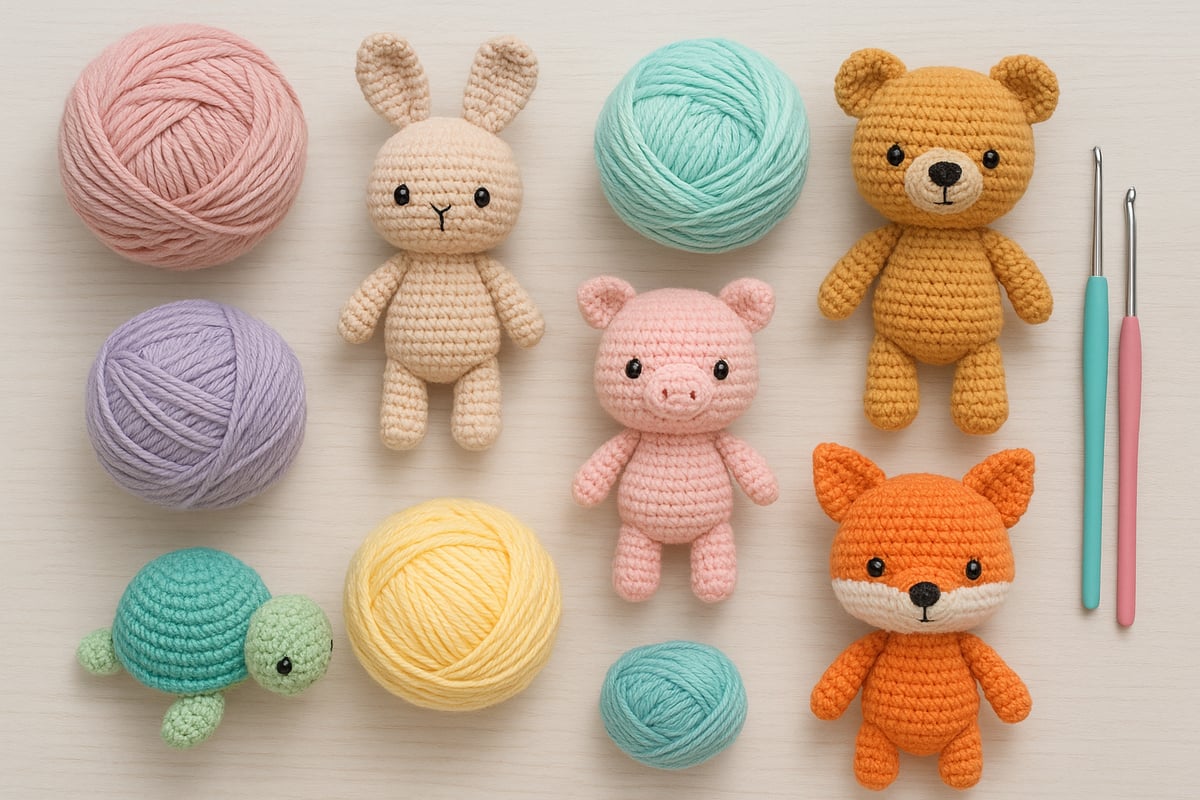
Amigurumi is the Japanese craft of crocheting or knitting small, stuffed toys and figures. The word combines “ami” (knitted or crocheted) and “nuigurumi” (stuffed doll) to reflect its roots. Unlike other crochet projects, amigurumi yarn selection directly influences the shape, firmness, and detail of the finished toy.
Choosing the right amigurumi yarn ensures that stitches are crisp, contours are defined, and the toy withstands play. For example, a popular bunny pattern made with cotton creates a firmer, more detailed result than the same pattern worked in a fuzzy yarn. With the recent surge in amigurumi’s popularity, especially among younger crafters, selecting the ideal yarn is more important than ever.
Key Yarn Characteristics for Amigurumi
When evaluating amigurumi yarn, consider the fibre content, ply, and twist. Fibre type affects softness and strength, while ply and twist impact stitch definition. A tightly twisted cotton or acrylic yarn provides clear stitches and a robust structure, ideal for toys.
Softness is crucial, especially for items intended for children. At the same time, elasticity and strength ensure that shapes hold and seams do not stretch out. Hypoallergenic yarns are recommended for baby toys to avoid irritation. Non-fuzzy amigurumi yarn is best for intricate work, as it keeps details sharp and prevents loose fibres from obscuring features. For example, a smooth, tightly spun cotton will give a polished, professional finish.
Yarn Weights & Ply Explained
Amigurumi yarn comes in several weights, with 2ply, 4ply (fingering), and 8ply (DK) being the most common in New Zealand. Ply refers to the number of strands twisted together, which influences both the thickness and the appearance of the fabric.
A 4ply amigurumi yarn creates delicate, miniature toys with fine detail, while 8ply/DK is the standard choice for most patterns, offering a balance of stitch definition and firmness. Using DK yarn results in toys that are sturdy and sized for easy handling. Recent competitor data shows that most amigurumi projects in NZ use either 4ply or 8ply yarns. For a curated selection, browse the Amigurumi Yarn Collection to see what suits your next creation.
How Yarn Choice Affects Your Amigurumi
The amigurumi yarn you select will shape the final toy’s appearance and durability. A smooth, tightly spun yarn enhances stitch clarity, making facial features and limbs stand out. Thicker yarns and smaller hooks produce a denser fabric, preventing stuffing from showing through.
Different yarns also impact how easily you can crochet and how quickly a project progresses. Making the same pattern with cotton versus acrylic can yield a firmer or softer toy, respectively. For baby toys, always prioritise safety by choosing hypoallergenic and washable amigurumi yarn. Beginners often make the mistake of selecting fuzzy or stretchy yarns, which can obscure stitches and make assembly challenging. By understanding these basics, you set yourself up for amigurumi success.
Types of Yarn Fibres for Amigurumi in 2026
Choosing the right amigurumi yarn is essential for crafting toys that are both beautiful and durable. In 2026, a wide range of fibre options is available, each bringing distinct qualities to your amigurumi creations. Whether you are a beginner or an experienced maker, understanding these yarn fibres will help you achieve the perfect result for every project.
Cotton Yarn for Amigurumi
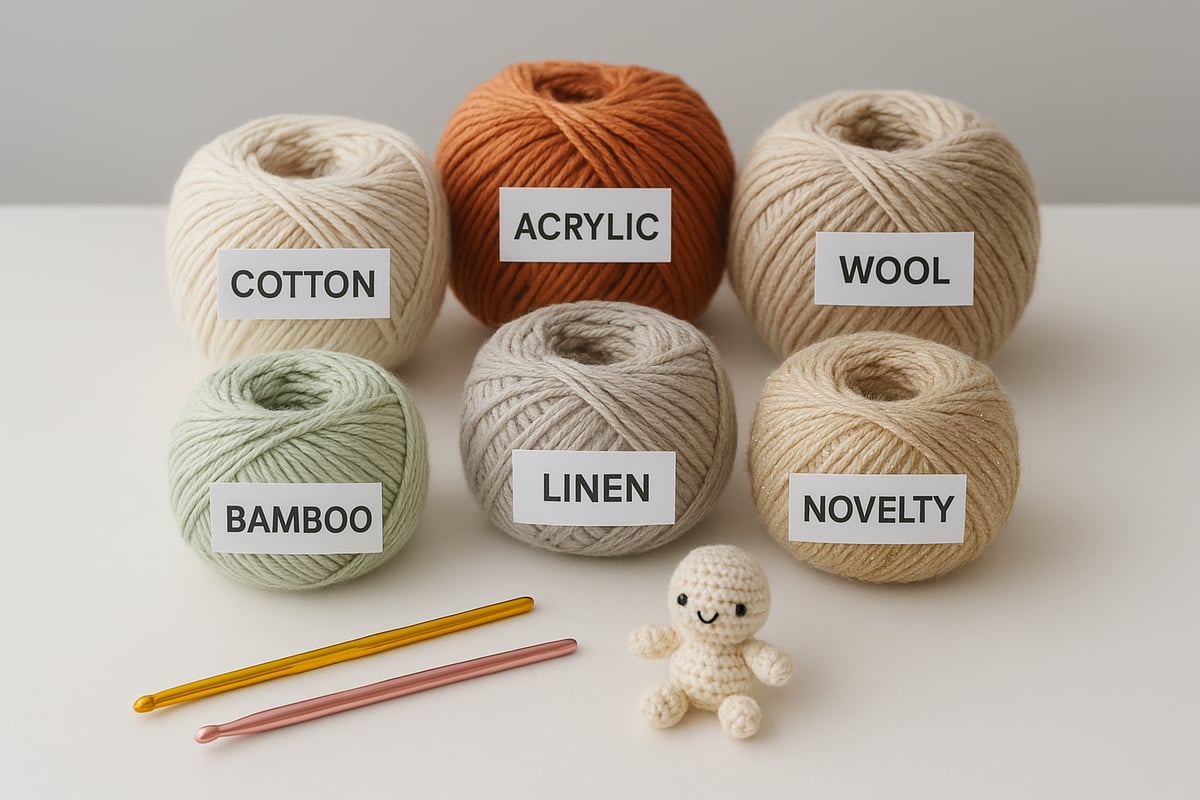
Cotton remains the most popular amigurumi yarn for crafters in 2026. Its non-stretchy nature and crisp stitch definition make it ideal for creating toys with a polished, professional look. Cotton yarn is highly durable and can withstand frequent washing, which is especially important for children’s toys. Leading brands such as DMC Natura Just Cotton, Scheepjes Catona, and Patons are widely available in New Zealand. According to competitor data, most beginner patterns recommend cotton, as it is easy to work with and hypoallergenic. However, cotton can be a bit harder on the hands during long crochet sessions. For those seeking a wide range of cotton options, Cotton Yarns for Amigurumi offers an extensive selection perfect for any project.
Acrylic Yarn for Amigurumi
Acrylic amigurumi yarn is valued for its affordability and broad colour range. This fibre is soft to the touch and easy to care for, making it a go-to choice for larger toys and budget-friendly projects. Brands like Broadway, Chaska, and Sirdar offer reliable acrylic yarns in New Zealand. While acrylic is less crisp than cotton, it is more forgiving on the hands. One downside is the tendency for some acrylics to pill or become fuzzy over time, which can affect the appearance of detailed amigurumi. Despite this, competitor sites consistently rank acrylic as the second-most popular fibre for amigurumi yarn, especially for crafters who want vibrant colours and easy maintenance.
Wool and Wool Blends
Wool brings natural warmth and a slight stretch to amigurumi yarn, making it suitable for heirloom-quality toys. Pure wool is less commonly used due to potential allergies, but blends such as wool-acrylic or wool-cotton offer a compromise between softness, durability, and ease of care. New Zealand produces excellent wool yarns, with options from Patons and Broadway standing out. Wool blends are often chosen for projects where a traditional, classic look is desired. It is important to consider the recipient, as some may have sensitivities to wool fibres. For amigurumi yarn meant for display or gifting, wool can add a unique, cherished feel.
Bamboo, Linen, and Novelty Fibres
Bamboo amigurumi yarn is praised for its exceptional softness, subtle sheen, and eco-friendly qualities. Linen, on the other hand, offers rugged durability and a rustic texture that stands out in handmade toys. Novelty fibres, such as sparkle, velvet, or faux fur, are increasingly popular for adding special effects to amigurumi animals and fantasy creatures. While bamboo and linen require gentle care and may not be ideal for all projects, they create eye-catching results. Novelty yarns should be used selectively, especially for small details, as they can obscure stitch definition. These unique fibres allow makers to experiment and personalise their amigurumi yarn choices.
Comparing Fibre Types: Pros & Cons Table
Understanding the differences between amigurumi yarn fibres is key to selecting the best option for your project. The table below compares the main attributes of each fibre:
| Fibre Type | Softness | Washability | Colour Range | Price | Eco-Friendly | Best Use |
|---|---|---|---|---|---|---|
| Cotton | High | Excellent | Wide | Mid | Yes | Baby toys, crisp detail |
| Acrylic | Medium | Excellent | Very wide | Low | Some | Large toys, budget |
| Wool/Blends | High | Good | Moderate | Mid-High | Some | Heirloom, display |
| Bamboo | Very High | Good | Moderate | Mid | Yes | Soft, eco toys |
| Linen | Medium | Good | Limited | Mid | Yes | Rustic, unique toys |
| Novelty | Varies | Varies | Special | Varies | Varies | Accents, special effects |
Competitor research shows cotton and acrylic are the most purchased amigurumi yarns, with bamboo and novelty fibres trending for creative projects. Use this table for quick reference when matching fibre to your needs.
How to Choose the Right Fibre for Your Project
Selecting the perfect amigurumi yarn starts with the recipient and project purpose. For baby toys, opt for hypoallergenic cotton that is easily washable. Decorative pieces can benefit from novelty or linen yarns for visual interest. Large toys often work best with affordable acrylic yarn, while heirloom gifts may call for wool or blends. Always test a small swatch to check how the yarn looks and feels with your chosen pattern. Remember, the right amigurumi yarn will enhance your creativity and ensure your toy is safe, durable, and visually appealing.
Yarn Weight, Ply, and Texture: What Matters Most?
Selecting the right amigurumi yarn is more than just picking a colour. Yarn weight, ply, and texture all play a crucial role in determining your finished toy’s size, shape, and visual appeal. Let’s break down what matters most when choosing amigurumi yarn for your next project.
Understanding Yarn Weight and Ply in Amigurumi
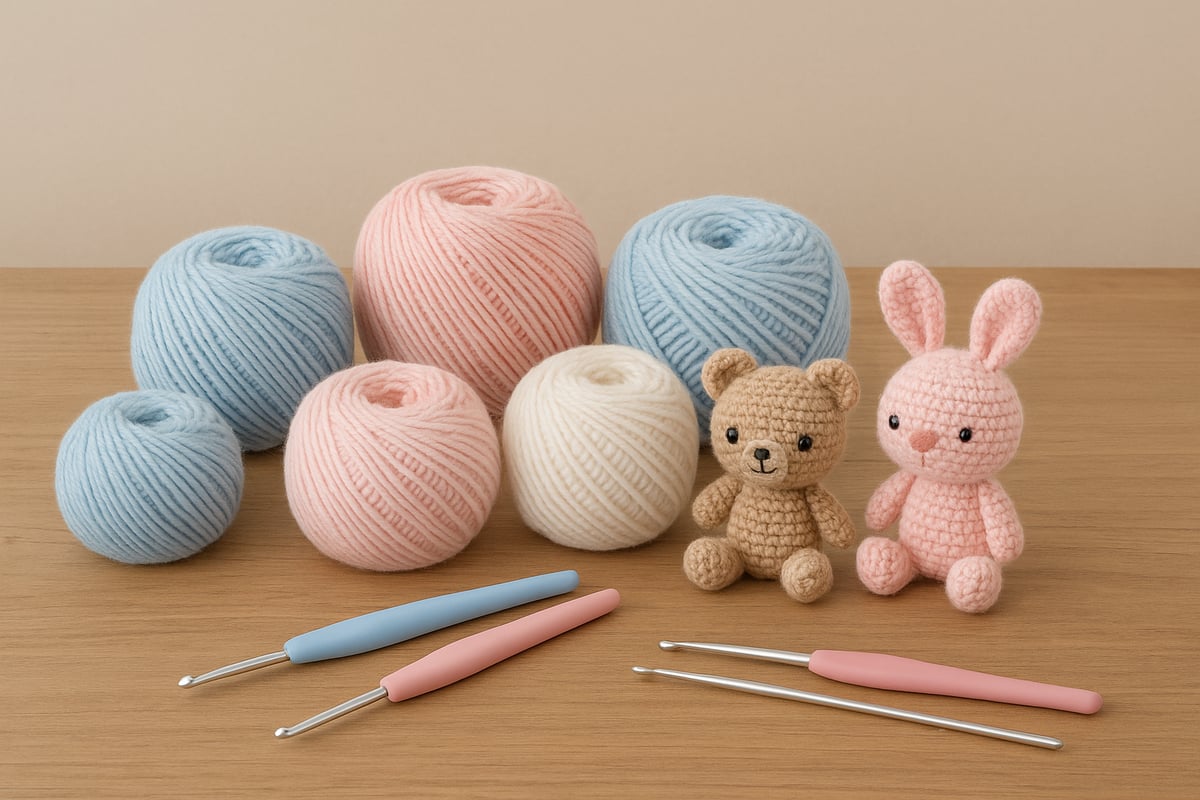
Yarn weight and ply are two of the most important factors influencing the outcome of your amigurumi yarn project. In New Zealand, 4ply and 8ply (DK) are the most common choices. Lighter weights, like 4ply, create smaller, more delicate toys, while 8ply results in larger, firmer pieces with excellent structure.
Ply refers to how many strands are twisted together. More plies generally mean a rounder, sturdier yarn, which helps maintain the toy’s shape. Check your pattern for recommended weights, but remember that most amigurumi yarn patterns in NZ favour 8ply for its balance of firmness and ease of use. For a broad selection of suitable options, see 8 Ply Yarns for Crochet Toys.
If you want a quick reference, here’s a simple comparison:
| Yarn Weight | Typical Ply (NZ) | Toy Size | Firmness |
|---|---|---|---|
| Light | 4ply | Small/Delicate | Soft |
| Medium | 8ply (DK) | Medium/Large | Firm |
Choosing the right amigurumi yarn weight ensures your toy holds its shape and matches your intended size.
Texture: Smooth vs. Fuzzy Yarns
The texture of your amigurumi yarn significantly affects stitch clarity and the overall look of your toy. Smooth yarns, like mercerised cotton, are ideal for crisp stitch definition. This makes them perfect for detailed features, faces, and patterns where precision is key.
Fuzzy or textured amigurumi yarns, such as brushed acrylic or novelty fibres, can be used for special effects. For example, a fuzzy yarn is great for animal fur or fluffy accents, but it can obscure stitches and make assembly harder. Beginners often find smooth amigurumi yarn easier to work with, while advanced crafters might experiment with texture for creative results.
When choosing amigurumi yarn, think about the level of detail in your pattern and your own comfort with handling textured fibres.
Colour Choices and Dye Quality
Colour selection is about more than just personal taste. The dye quality of your amigurumi yarn impacts both the vibrancy and longevity of your finished toy. Always look for colourfast yarns, especially for toys that may be washed or handled frequently.
Solid colours give a classic, bold look, while variegated or multi-tonal amigurumi yarns create unique, whimsical effects. In 2026, pastel palettes and bright, saturated tones are trending in New Zealand amigurumi. Brands known for reliable dye quality help ensure your colours remain true over time.
Choosing the right amigurumi yarn colour can transform a simple pattern into a standout piece, so match your palette to your project’s personality.
Yarn Thickness and Hook Size: Getting the Balance Right
The interplay between yarn thickness and hook size is crucial for a professional-looking amigurumi yarn creation. Using a hook that is too large for your yarn can leave gaps, allowing stuffing to peek through. Too small a hook, and your work may become stiff or difficult to shape.
Here’s a quick guide:
| Yarn Weight (Ply) | Recommended Hook Size (mm) |
|---|---|
| 4ply | 2.25 – 2.75 |
| 8ply (DK) | 2.75 – 3.5 |
Firm, dense stitches are essential for amigurumi yarn projects, as they keep stuffing inside and provide structure. Always check your pattern and adjust hook size if your stitches are too loose or tight.
Testing Yarn Before Starting: Swatching for Amigurumi
Before beginning any amigurumi yarn project, it’s wise to create a small swatch. This test lets you check stitch definition, density, and the overall feel of your chosen yarn and hook. Swatching can reveal issues with gauge, colour pooling, or unwanted fuzziness before you commit to the whole toy.
If your swatch feels too loose or stuffing shows through, try a smaller hook or a thicker amigurumi yarn. If the fabric is too stiff, size up your hook or switch to a lighter yarn. Both beginners and seasoned crafters benefit from this step, as it ensures the finished toy will match expectations.
Taking time to swatch with your amigurumi yarn eliminates surprises and leads to consistently beautiful results.
Best Yarn Brands and Products for Amigurumi in New Zealand
Choosing the right amigurumi yarn is essential for both the look and longevity of your handmade toys. New Zealand crafters have access to a broad selection of premium brands, practical kits, and reliable retailers, making it easier than ever to find the perfect supplies for your next project.
Top NZ and International Yarn Brands for Amigurumi
New Zealand crafters can choose from a range of trusted amigurumi yarn brands, each offering unique qualities for toy-making. Leading names include DMC Natura Just Cotton, Scheepjes Catona, Patons, Broadway, Chaska, and Sirdar. These brands are praised for their consistent quality, wide colour ranges, and durable fibres.
Popular product lines like DMC Happy Cotton and Scheepjes Catona are favoured for their smooth texture and vibrant hues. Many NZ craft stores stock these alongside local options such as Broadway and Chaska, which are valued for their affordability and accessibility. Whether you prefer international prestige or local reliability, there is an amigurumi yarn brand to suit every project.
Comparing Price, Quality, and Availability
When comparing amigurumi yarn brands, consider both price and quality. International brands like DMC and Scheepjes are often slightly pricier but offer superior stitch definition and lasting colour. Local brands such as Broadway provide excellent value for everyday toy-making.
| Brand | Price Range (NZD) | Quality | Colour Range | Availability |
|---|---|---|---|---|
| DMC Natura | $8–$10/50g | Premium | 60+ | Major retailers |
| Scheepjes | $6–$9/50g | Premium | 100+ | Online, in-store |
| Broadway | $4–$7/50g | Good | 30+ | Widely available |
| Patons | $5–$8/50g | Good | 40+ | Craft chains |
Local yarn shops and online stores regularly run specials and offer exclusive colourways, making it worthwhile to shop around for the best amigurumi yarn deals.
Specialty Amigurumi Kits and Bundles
For those new to amigurumi yarn or seeking convenience, specialty kits are a fantastic option. These kits provide all the essentials, from coordinated yarn colours to patterns and accessories, ensuring a seamless crafting experience. Popular kit brands available in NZ include DMC, Sirdar, and Broadway, offering options for animals, characters, and seasonal projects.
Beginner-friendly and perfect for gifting, kits save time on colour selection and planning. If you're ready to try a curated kit, visit the Amigurumi Crochet Kits & Supplies section for a range of options tailored to NZ crafters.
Where to Buy Amigurumi Yarn in New Zealand
Amigurumi yarn is sold at a variety of outlets across New Zealand. Top choices include local yarn shops, major craft chains, and specialist online retailers. Shopping in person allows you to feel the yarn and match colours precisely, while online stores often provide greater variety and convenience.
Tips for sourcing amigurumi yarn:
- Check local shops for exclusive colours and expert advice.
- Compare online prices and look for free shipping offers.
- Buy extra yarn to ensure consistent dye lots for larger projects.
Trusted NZ suppliers are known for genuine quality and reliable service, supporting both beginners and experienced makers.
Wild & Woolly Yarns: Your NZ Amigurumi Yarn Destination
Wild & Woolly Yarns stands out as a one-stop shop for amigurumi yarn, with a comprehensive selection of cotton, acrylic, wool, and blends. With over 40 years of supporting the NZ crafting community, they offer leading brands, a spectrum of ply and weights, and exclusive amigurumi kits.
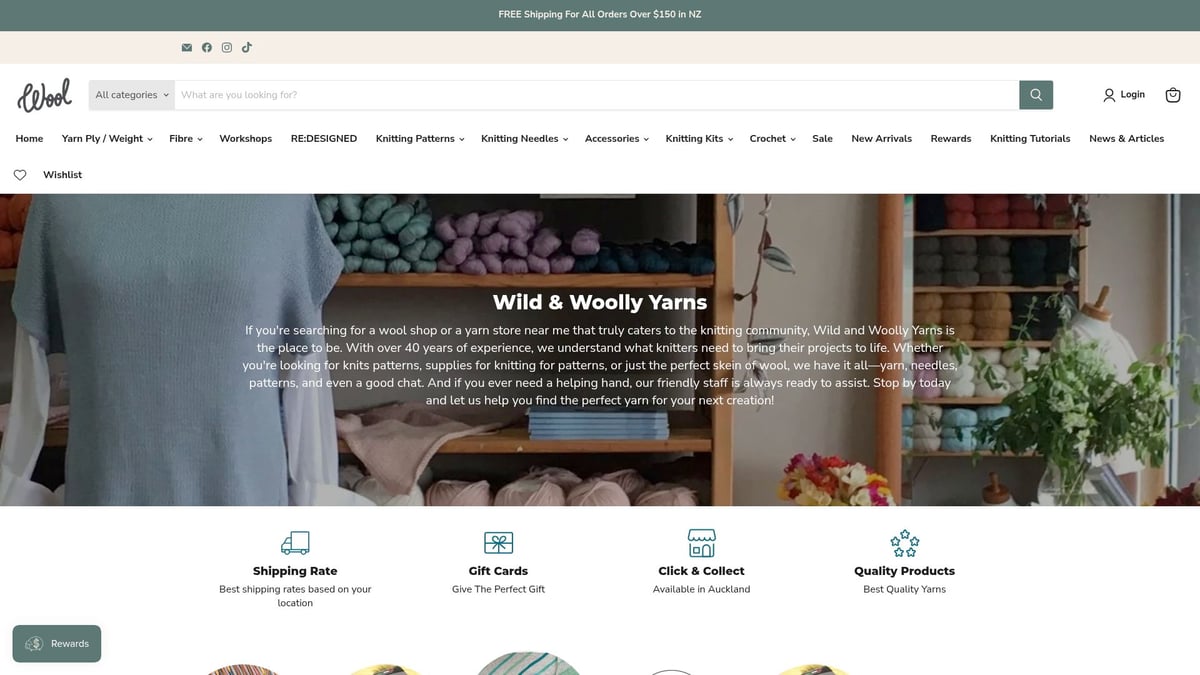
Their knowledgeable staff are always ready to help with yarn selection and project planning. Enjoy in-store or online shopping, free shipping on orders over $150 NZ-wide, and a rewards programme for regular customers. Community workshops and flexible gifting options make Wild & Woolly Yarns a trusted favourite among NZ makers for quality, range, and customer care.
Step-by-Step Guide: How to Choose the Best Yarn for Amigurumi
Selecting the right amigurumi yarn can transform your project from ordinary to outstanding. By following these six essential steps, you will gain the confidence to match fibre, weight, and colour to your unique crochet vision. Here is how to make informed choices at every stage.
Step 1: Define Your Project and Recipient
Start your journey by clarifying the purpose of your amigurumi yarn selection. Is your project a baby rattle, a display animal, or a gift for a child? Consider the recipient’s age and any special requirements, such as hypoallergenic fibres for sensitive skin or washable yarn for toys that will see frequent play.
Planning ahead helps avoid common mistakes, like using delicate fibres for rough-and-tumble toys. For example, a baby rattle needs sturdy, soft, and safe amigurumi yarn, while a decorative piece can focus more on texture or unique colours. This thoughtful approach ensures your finished toy is fit for purpose and brings lasting joy.
Step 2: Select the Right Fibre Type
Fibre choice is central to amigurumi yarn success. Consider cotton for crisp stitch definition and durability, acrylic for softness and affordability, or wool blends for warmth and flexibility. Assess allergies, care needs, and desired finish for your project.
When choosing, weigh the pros and cons of each fibre. For detailed guidance on fibre composition, weight, and colour options, consult the Amigurumi Yarn Characteristics resource. Testing different fibres on small projects can reveal which amigurumi yarn best suits your style and the toy’s purpose.
Step 3: Choose Weight, Ply, and Texture
The weight and ply of your amigurumi yarn will dictate your toy’s size, stitch tightness, and overall feel. Common choices are 4ply for miniature toys and 8ply/DK for standard sizes. Texture also matters; smooth yarn gives clear stitches, while textured yarn adds character.
Check your pattern for recommended ply and hook size, adjusting if you want a firmer or softer finish. For further insight into the best yarns for amigurumi, browse reviews like Best Yarns for Amigurumi 2025. Compare options before settling on the ideal amigurumi yarn for your project.
Step 4: Pick Colours and Dye Quality
Colour selection brings your amigurumi yarn project to life. Decide if you want realistic shades or playful, bold hues. Always check that your yarn is colourfast, especially for toys likely to be washed or handled often.
Solid colours make animals and characters look classic, while variegated yarns create whimsical effects. Follow current 2026 trends, like pastel or vibrant brights, and choose brands known for high-quality dyes. The right amigurumi yarn colour enhances both the visual appeal and longevity of your toy.
Step 5: Test and Swatch Before Starting
Before committing, make a swatch using your chosen amigurumi yarn. This small sample lets you check stitch definition, density, and drape. Adjust your hook size or yarn if the swatch does not match your pattern’s look or feel.
Swatching saves frustration by revealing issues early, such as gaps that let stuffing show or a fabric that feels too stiff. Both beginners and experienced crafters benefit from this practice. A well-chosen amigurumi yarn, tested in advance, sets the foundation for project success.
Step 6: Source Your Yarn and Supplies
Find your ideal amigurumi yarn at local yarn shops, trusted online NZ retailers, or craft fairs. Always check for quality, consistent dye lots, and authenticity before purchasing. Consider buying a little extra to account for pattern changes or future repairs.
Specialist stores often provide expert advice and a broader selection, ensuring you find the best amigurumi yarn for your needs. Comparing price, availability, and colour ranges across suppliers can also help you get the best value and avoid last-minute shortages.
Caring for Amigurumi: Yarn Maintenance and Toy Longevity
Keeping your amigurumi yarn creations looking their best takes a little extra care. Whether your handmade toys are playtime favourites or cherished keepsakes, the right maintenance will help them last for years. From cleaning to storage, repair, and sustainable disposal, here’s how to protect and prolong the life of your amigurumi yarn projects.
Washing and Cleaning Different Yarn Types
Proper washing is vital for amigurumi yarn toys, especially those loved by children. Always check the yarn label for care instructions. Cotton amigurumi yarn is usually machine washable in cold or warm water, while wool blends often require gentle hand washing. Use a mild detergent and avoid bleach to keep colours bright.
Acrylic amigurumi yarn is generally easy to care for and holds up well in the wash. Place toys in a mesh bag to prevent stretching or snagging. Dry flat to help them keep their shape. Before cleaning, spot test a small area to ensure no colour runs. For more detailed fibre-by-fibre care tips, refer to this Amigurumi Yarn Guide.
Storing and Displaying Amigurumi Toys
To keep your amigurumi yarn creations looking fresh, store them away from direct sunlight, which can fade colours over time. Open shelves are perfect for display, but consider glass cases for heirloom pieces to protect from dust.
Avoid placing amigurumi yarn toys in damp spaces to prevent mould or odour. Hanging organisers or fabric-lined boxes are great for long-term storage. Rotate displayed toys occasionally to prevent one side from fading. Keeping your amigurumi yarn pieces clean and well stored preserves both their beauty and structure.
Repairing and Refreshing Amigurumi
Even the sturdiest amigurumi yarn toys may need a little maintenance. If you spot a loose stitch, use a matching yarn to carefully sew it back in place. For toys that have lost their shape, gently redistribute or add more stuffing as needed.
If the amigurumi yarn starts to pill, use a fabric shaver or small scissors to remove fuzz. Faded spots can sometimes be revived with gentle cleaning or, for severe wear, by embroidering over with fresh yarn. Regularly checking amigurumi yarn toys for damage helps prevent minor issues from becoming bigger problems.
Eco-Friendly Yarn Disposal and Recycling
Disposing of amigurumi yarn scraps responsibly supports a greener craft community. Instead of throwing out leftovers, consider using them for small projects, like keychains or stuffing. Many NZ textile recycling schemes accept clean yarn.
Donating unwanted amigurumi yarn toys or supplies to local charities gives them a second life. Upcycling is also popular, turning old toys into new decor or patchwork pieces. For more on sustainable practices and the future of eco-friendly amigurumi yarn, see these Amigurumi Yarn Trends 2025.