

Yarn Weight Guide: Understanding Types & Uses 2026
Choosing the right yarn weight can be surprisingly challenging, even for experienced knitters and crocheters. The variety of options often leads to confusion, making it hard to achieve the perfect look, feel, and fit for any project.
This guide is here to demystify yarn weight categories, explain their practical uses, and empower you to make confident decisions for every creative endeavour in 2026. Whether you are struggling with pattern instructions or shopping for supplies, understanding yarn weight is crucial to project success.
In this article, you will find a clear overview of yarn weight systems, an in-depth look at each category, and practical guidance for matching yarn to your project goals. Discover expert tips, stay ahead of future trends, and use this resource as your go-to reference for all things yarn in New Zealand.
What Is Yarn Weight? The Basics Explained
Choosing the right yarn weight is a cornerstone of successful knitting and crochet projects. Despite its name, yarn weight refers to the thickness of the yarn strand, not its heaviness. This simple detail can make or break your final creation.
The yarn weight you select directly impacts the drape, stitch definition, and finished size of your project. If you have ever ended up with a scarf that feels more like cardboard or a hat that stretches out of shape, yarn weight was likely a factor. In fact, research from the Craft Yarn Council shows that 75 percent of pattern errors are due to incorrect yarn weight selection.
Understanding yarn weight starts with knowing the main categories used globally. Standard yarn weights include Lace, Super Fine, Fine, Light, Medium, Bulky, Super Bulky, and Jumbo. Each is designed for specific types of projects and produces a distinct look and feel. However, international terminology can cause confusion. In New Zealand, the ply system is common, like 8 ply for DK. The US and many international patterns use descriptive terms such as Worsted or Aran. Metric equivalents also appear, especially on European yarn labels.
Here is a quick comparison of common yarn weight categories:
| Category | Alternative Names | Typical Projects |
|---|---|---|
| Lace | Cobweb, 2 ply | Shawls, lacework |
| Super Fine | Fingering, Sock | Socks, lightweight tops |
| Fine | Sport, Baby | Babywear, light jumpers |
| Light | DK, 8 ply | Cardigans, hats |
| Medium | Worsted, Aran, 10 ply | Sweaters, blankets |
| Bulky | Chunky, 12 ply | Scarves, throws |
| Super Bulky | Super Chunky | Beanies, quick blankets |
| Jumbo | Roving | Giant knits, home décor |
Selecting the incorrect yarn weight can have immediate consequences. Use a yarn that is too thick, and your project may turn out stiff and oversized. Choose something too fine, and it could be loose, shapeless, or much smaller than intended. Reading yarn labels carefully is vital. Look for symbols such as a number inside a ball of yarn, which indicates the weight category, or check the recommended needle and hook sizes.
Here are some common label tips:
- Look for the yarn weight symbol (number 0-7 in a skein icon).
- Check for ply information if shopping in New Zealand.
- Review the recommended gauge and needle/hook size.
The concept of gauge is closely linked to yarn weight. Gauge refers to the number of stitches and rows per 10cm, determined by both yarn weight and needle or hook size. Achieving the correct gauge ensures your finished project matches the intended size and fit. If your gauge is off, even by a small amount, the end result can be significantly different.
If you want to dive deeper into the importance of yarn weight and how it shapes every project, you can read Understanding Yarn Weights for a comprehensive overview.
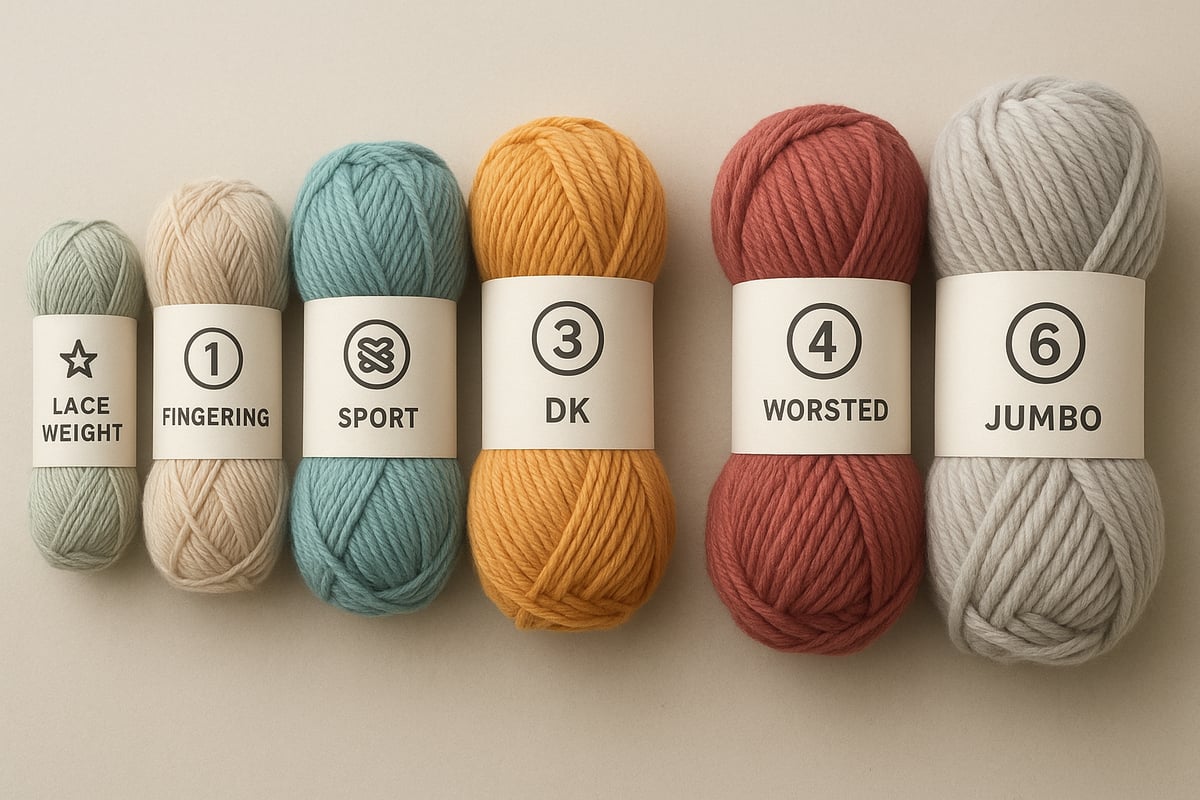
Yarn Weight Categories: Types, Characteristics & Uses
Choosing the right yarn weight is the foundation of a successful knitting or crochet project. With so many options available, understanding each category is essential for getting the drape, texture, and warmth you want. Below, you will find a detailed guide to the main yarn weight categories, with practical advice for selecting the right one every time.
This section breaks down each yarn weight by alternative names, gauge, recommended tools, and best uses. If you are looking for a handy reference table for planning your next project, the Yarn Weight Guide by Knitnstitch offers a comprehensive summary for New Zealand crafters.
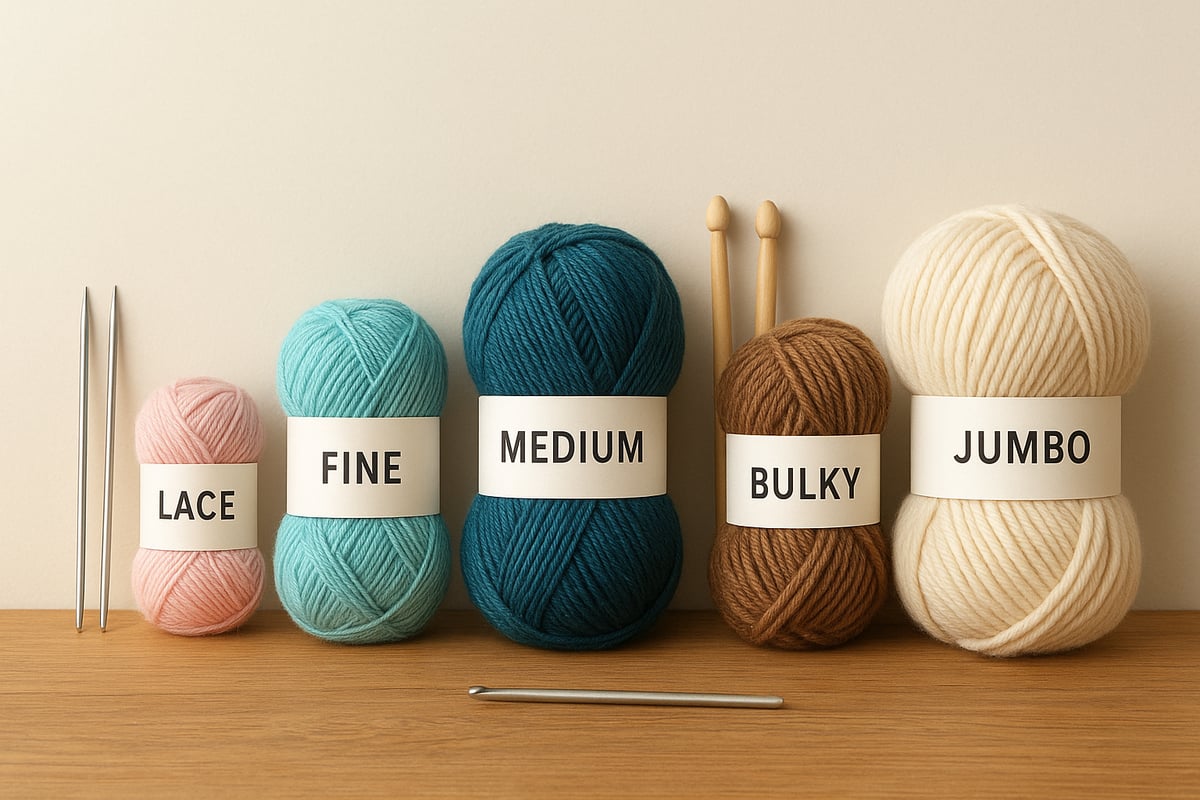
Lace & Super Fine Yarns (0 1)
Lace and super fine yarns are the most delicate options, ideal for projects that require an airy, lightweight finish.
- Alternative Names: Lace, Cobweb, Fingering, Sock
- Typical Gauge: 33–40+ stitches per 10cm
- Recommended Needles/Hooks: 1.5–3.25mm
- Best For: Shawls, lacework, baby garments
These yarns create intricate, openwork designs with a beautiful drape. Think of lace shawls with detailed patterns or featherlight baby clothes. The fine strands can be challenging to work with, so they are often better suited to experienced crafters. Using the correct yarn weight here ensures stitches remain crisp and the final piece maintains its intended size and feel.
Fine & Light Yarns (2 3)
Fine and light yarns are versatile, striking a balance between delicacy and structure.
- Alternative Names: Sport, Baby, Double Knitting (DK), Light Worsted
- Typical Gauge: 21–32 stitches per 10cm
- Recommended Needles/Hooks: 3.25–4.5mm
- Best For: Baby clothes, lightweight jumpers, socks
These yarns provide excellent stitch definition, making them a favourite for detailed cardigans, baby sweaters, and accessories. In New Zealand, 8 ply is the standard for DK yarn, commonly used for most family garments. Choosing this yarn weight helps keep projects light enough for comfort but substantial enough for daily wear.
Medium Weight Yarns (4)
Medium weight yarns are the go to choice for many patterns, especially for beginners.
- Alternative Names: Worsted, Aran, Afghan
- Typical Gauge: 16–20 stitches per 10cm
- Recommended Needles/Hooks: 4.5–5.5mm
- Best For: Sweaters, hats, scarves, blankets
This yarn weight offers a perfect balance between flexibility and warmth. Classic fisherman’s jumpers often use worsted weight, providing enough structure for cables while remaining soft and wearable. Medium yarns showcase stitch patterns clearly, making them ideal for textured projects. Always check the label to confirm you have the right yarn weight for your pattern.
Bulky & Super Bulky Yarns (5 6)
Bulky and super bulky yarns are designed for speed and warmth.
- Alternative Names: Chunky, Craft, Rug, Super Chunky
- Typical Gauge: 7–15 stitches per 10cm
- Recommended Needles/Hooks: 5.5–12.75mm
- Best For: Quick projects, blankets, winter accessories
These yarns work up rapidly, making them ideal for last minute gifts or statement pieces. Chunky beanies and arm knitted throws are popular choices. The thick strands mean projects grow fast, but finished items can be quite heavy. Properly choosing this yarn weight ensures your project remains comfortable and practical.
Jumbo Yarns (7)
Jumbo yarns are the boldest option, perfect for dramatic, oversized pieces.
- Alternative Names: Jumbo, Roving
- Typical Gauge: 6 stitches or fewer per 10cm
- Recommended Needles/Hooks: 12.75mm and larger
- Best For: Statement pieces, oversized blankets, arm knitting
These yarns create maximum impact with minimal stitches. Giant knit blankets and floor cushions are common projects. While jumbo yarns offer impressive texture, they do not show stitch detail well and can be heavy when finished. Use this yarn weight for decorative, high impact pieces.
Specialty and Novelty Yarns
Specialty and novelty yarns include a wide range of unique textures and fibres.
- Types: Textured, tape, boucle, faux fur, blended yarns
- Standard Fit: May not fit traditional yarn weight categories
- Best For: Accents, trims, toys, special effects
These yarns add visual interest and tactile variety to projects. Faux fur yarn is popular for toy trims, while tape or boucle yarns can create interesting surface effects. Always swatch with these yarns to check gauge and ensure your project achieves the look and feel you want.
Understanding each yarn weight category helps you make informed choices for every project. By matching yarn weight to your pattern’s requirements, you will ensure the best results in drape, fit, and durability.
How to Choose the Right Yarn Weight for Your Project
Selecting the correct yarn weight is the foundation of a successful knitting or crochet project. With so many options on the market, choosing wisely can make the difference between a garment you love and one that never quite fits. Use these steps to ensure every stitch counts and every project turns out exactly as you envisioned.
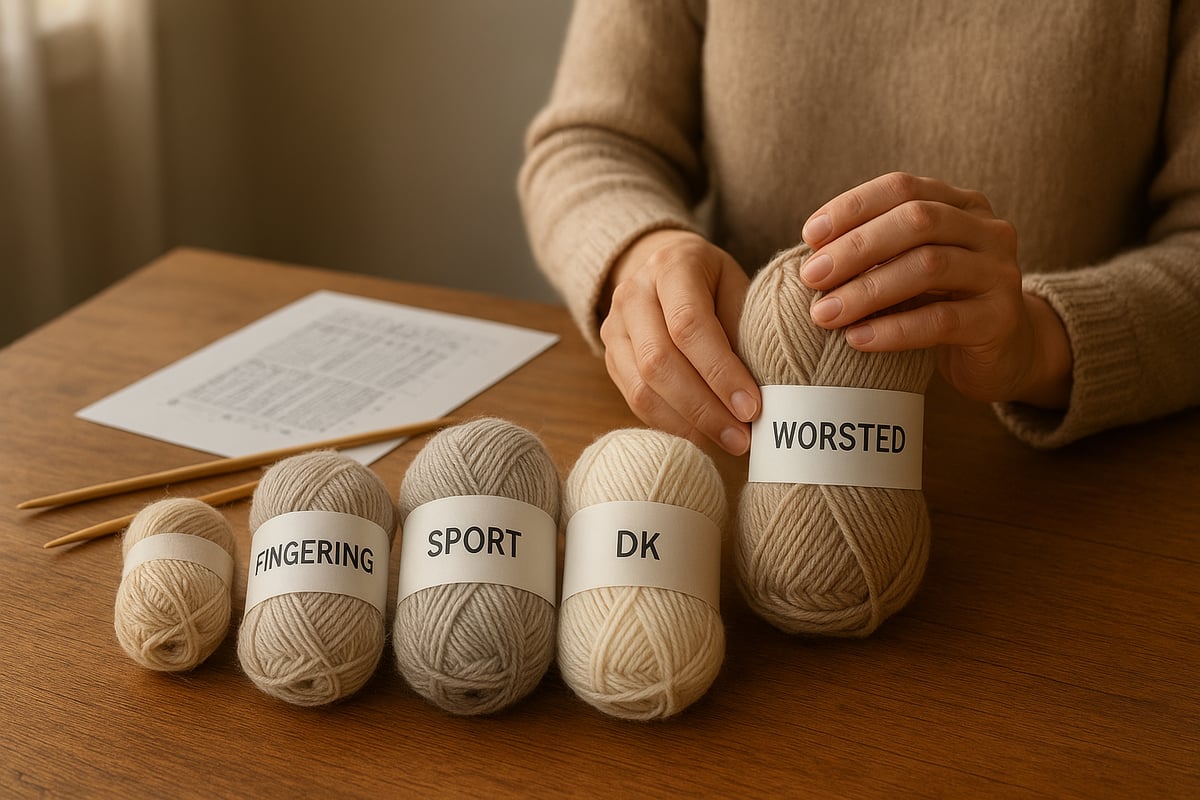
Step 1: Check Your Pattern for Yarn Weight and Gauge
Every great project begins with the pattern. Before you buy yarn or cast on, look for the recommended yarn weight and gauge details in your pattern instructions. Patterns specify yarn weight for a reason: it directly influences the finished size, drape, and fit of the item.
Review the gauge—typically described as a certain number of stitches and rows over 10 cm using a specific yarn weight and needle or hook size. Following these details helps you avoid common issues like garments that are too small, too large, or lack the intended structure. Always prioritise the pattern’s yarn weight recommendation for best results.
Step 2: Think About Project Purpose and Fibre
Consider what you want from your finished project. Do you need a lightweight, airy shawl or a thick, warm blanket? Yarn weight plays a major role in determining drape, warmth, and durability.
For summer tops or baby items, lighter yarn weights like DK or sport are ideal. Heavier yarn weights such as aran or bulky work best for winter jumpers and blankets. Fibre content impacts comfort and performance; cotton yarns are breathable for warm weather, while wool offers superior insulation. Matching yarn weight and fibre to your needs ensures your project is comfortable, functional, and visually appealing.
Step 3: Substituting Yarn Weights: What to Watch For
Sometimes the recommended yarn is unavailable, or you want to use something from your stash. If you substitute, always choose a yarn weight as close to the original as possible. Even subtle differences can alter the outcome of your project.
Check the gauge on both the substitute yarn and the pattern. Swatch with your new yarn and adjust needle or hook size if needed, but avoid drastic changes in yarn weight. Substituting a thinner yarn may result in a smaller, more delicate item, while a thicker yarn can make your project heavy or oversized. Keep the finished look and feel in mind when making substitutions.
Step 4: Identifying Unknown Yarn Weight with WPI
Have mystery yarn in your collection? The wraps per inch (WPI) method is a practical way to identify yarn weight. Simply wrap the yarn around a ruler or pencil and count how many times it fits within one inch. Compare the result to standard charts to determine the category.
For a step-by-step tutorial, see Using Wraps Per Inch (WPI). This technique is especially useful when labels are missing or unclear, helping you confidently match yarn weight to your intended project.
Step 5: Swatching for Success
Never underestimate the importance of swatching. Creating a small test square lets you check both the gauge and how your chosen yarn weight behaves with your selected pattern and tools.
According to a recent LoveCrafts survey, 60 percent of crafters report improved results when they swatch before starting. Swatching reveals if you need to adjust your needle or hook size to achieve the correct gauge, ensuring your finished item matches the pattern’s measurements. Taking the time to swatch protects your project from disappointment.
Step 6: Practical Buying Tips
When purchasing yarn, always buy enough of the same yarn weight and dye lot for your entire project. Dye lots can vary, resulting in visible colour changes if you run short and need to buy more later.
Check the yarn label for weight, recommended gauge, and care instructions. For garments and larger projects, err on the side of caution and purchase an extra ball or skein. Being prepared ensures a seamless crafting experience and a professional-looking result.
Yarn Weight in Practice: Matching Projects to Yarn
Choosing the right yarn weight is crucial for a successful project outcome. Each type of project has ideal yarn weight recommendations that influence fit, comfort, durability, and overall look. Whether you are knitting a hat, crocheting a blanket, or making intricate toys, your yarn weight selection will make or break the finished piece.
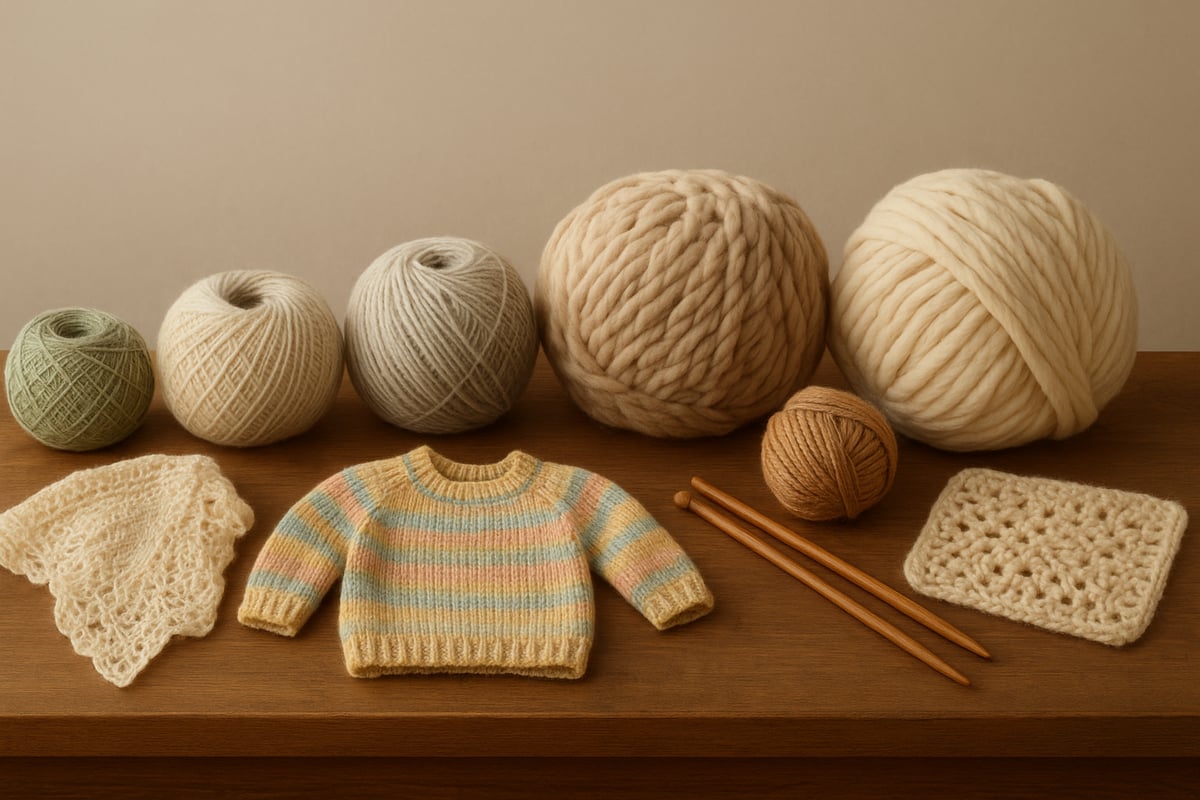
Project-by-Project Yarn Weight Guide
Let us break down the optimal yarn weight for common projects. Use the table below as a quick reference for matching your project to the best yarn weight.
| Project Type | Typical Yarn Weight | NZ Ply Equivalent | Example Uses |
|---|---|---|---|
| Hats | DK, Worsted | 8 ply, 10 ply | Beanies, berets, slouch hats |
| Socks | Fingering, Sport | 4 ply, 5 ply | Everyday and hiking socks |
| Baby Garments | Sport, DK | 5 ply, 8 ply | Cardigans, booties, hats |
| Blankets | DK, Aran, Bulky | 8 ply, 10 ply, 12 ply | Throws, cot blankets |
| Accessories | Any | Varies | Scarves, mitts, cowls |
| Amigurumi/Toys | Sport, DK | 5 ply, 8 ply | Stuffed animals, dolls |
Hats
For hats, DK (8 ply) and Worsted (10 ply) yarns are the most popular. These yarn weights provide warmth, stretch, and structure without being too bulky. A classic beanie in DK yarn is soft yet holds its shape well. Worsted weight is excellent for thicker, cosier winter hats.
If you want to explore a wide selection of DK/8 ply yarns for hats and other projects, the 8 Ply Yarn Collection is a great place to start.
Socks
Socks require yarn weight that balances durability and comfort. Fingering (4 ply) or Sport (5 ply) yarns are ideal, ensuring a snug fit inside shoes and excellent stitch definition. Using heavier yarns will produce thicker socks, suitable for slippers or boot socks, but may not fit standard footwear.
Baby Garments
Softness and ease of care are priorities for baby items. Sport (5 ply) and DK (8 ply) yarns are commonly used, as they create lightweight, gentle fabrics. Baby jumpers or cardigans in DK yarn are both practical and gentle on delicate skin.
Blankets
Blankets range from delicate heirloom throws to quick, chunky knits. DK and Aran (8 ply, 10 ply) provide versatility for everyday use, while Bulky yarns (12 ply and above) deliver warmth and rapid progress for larger projects. Remember, heavier yarn weights mean heavier finished blankets, which may not suit all needs.
Accessories
Scarves, mitts, and cowls offer creative freedom with yarn weight. A laceweight scarf will drape beautifully, while a chunky cowl offers instant warmth. Consider the stitch pattern and desired texture when selecting your yarn weight for accessories.
Amigurumi and Toys
Detail matters in amigurumi, so Sport or DK yarns are recommended. These yarn weights allow for tight stitches, helping to keep stuffing inside and shapes well-defined. Using a heavier yarn weight will result in larger toys, but may lose some detail.
Common Mistakes to Avoid
Even experienced crafters sometimes choose the wrong yarn weight for a project. Substituting a bulky yarn in a lace pattern leads to a stiff, unwearable result. Using a fine yarn for a large blanket can make progress painstakingly slow and the fabric too light.
Always check the pattern’s recommended yarn weight and gauge. If you need guidance on achieving the correct gauge, the Guide to Knitting Gauge is an excellent resource.
Buy enough yarn of the same dye lot to ensure colour consistency throughout your project. If you run out of yarn weight mid-project, blending two similar weights can sometimes work, but always swatch first to check the result. When adapting patterns to a different yarn weight, recalculate your stitch and row counts to maintain the intended size and fit.
Troubleshooting Tips
If your project looks off, check whether the yarn weight matches the pattern’s requirements. Swatch before starting, and block your test square for accurate measurements. If you notice a size issue after beginning, adjust your needle or hook size rather than switching yarn weights mid-project.
When blending yarn weights in one item, hold two lighter strands together or stripe similar weights for a creative touch. If the result is unsatisfactory, do not hesitate to frog and restart rather than force a poor fit.
Matching the right yarn weight to your project is a skill that comes with practice and attention to detail. Use resources, swatch consistently, and enjoy the process of transforming yarn into something beautiful and functional.
Future Trends: Yarn Weights & Innovation in 2026
Choosing the right yarn weight is no longer just about tradition. In 2026, the landscape is shifting, with new materials and technologies redefining what crafters can expect from their projects. As the demand for unique textures and sustainable options grows, staying informed about yarn weight trends is essential for every knitter and crocheter.
The rise of eco-friendly yarn weight categories is impossible to ignore. Ultra-fine organic cottons and bamboo blends are now paired with chunky, recycled polyester and wool options. These innovations offer lighter, softer yarns that reduce environmental impact, meeting the growing consumer interest in sustainability. Crafters now have access to yarn weight choices that support both style and stewardship, allowing them to create with materials that reflect their values.
New fibre blends are also transforming the yarn weight conversation. Bamboo, hemp, and advanced synthetics are blended to create yarns with enhanced durability and drape. These fibres influence stitch definition and project longevity. For example, bamboo-linen blends provide a cool touch for summer garments, while recycled wool-polyester mixes offer warmth without the traditional heaviness. The result is a broader palette of yarn weight options, each tuned for specific performance needs.
Technology is making a mark on yarn weight selection as well. Smart yarns embedded with sensors can track wear or temperature, while digital pattern libraries match patterns to exact yarn weight categories. Virtual swatching tools even let you preview drape and gauge before you buy. For those wanting authoritative definitions, the Craft Yarn Council's Standard Yarn Weight System remains a trusted resource for understanding global standards and gauge recommendations.
Market data shows a clear increase in demand for specialty yarn weight blends in New Zealand and globally. Jumbo yarns for arm knitting and home décor continue to trend, while lighter, more durable options attract both beginners and experts. Kiwi crafters are embracing international standards, using local resources like the Yarn Weight Conversion Chart by Kapiti Knitting to navigate patterns from around the world. As yarn weight innovation accelerates, staying curious and open to experimenting with new fibres and tools will ensure your projects are both on-trend and uniquely personal.