

Mohair Thread: A Complete Guide for Knitters in 2026
Mohair thread has captivated the knitting community for decades with its distinctive shimmer, cloud-like halo, and remarkable versatility. Derived from the fleece of Angora goats, this premium fibre offers knitters an exceptional blend of luxury and practicality that sets it apart from traditional wool options. Whether you're creating a delicate shawl, a warm winter jumper, or an elegant accessory, understanding the unique properties and applications of mohair thread can elevate your knitting projects to new heights. This comprehensive guide explores everything from its exceptional characteristics to practical care instructions, helping you make informed decisions for your next creation.
Understanding Mohair Thread Properties
Mohair thread stands out in the textile world due to its remarkable natural characteristics that make it a favourite among experienced knitters and beginners alike. The fibre comes from Angora goats, which produce fleece with exceptional durability and elasticity that translates beautifully into finished knitted projects.
The Famous Mohair Halo Effect
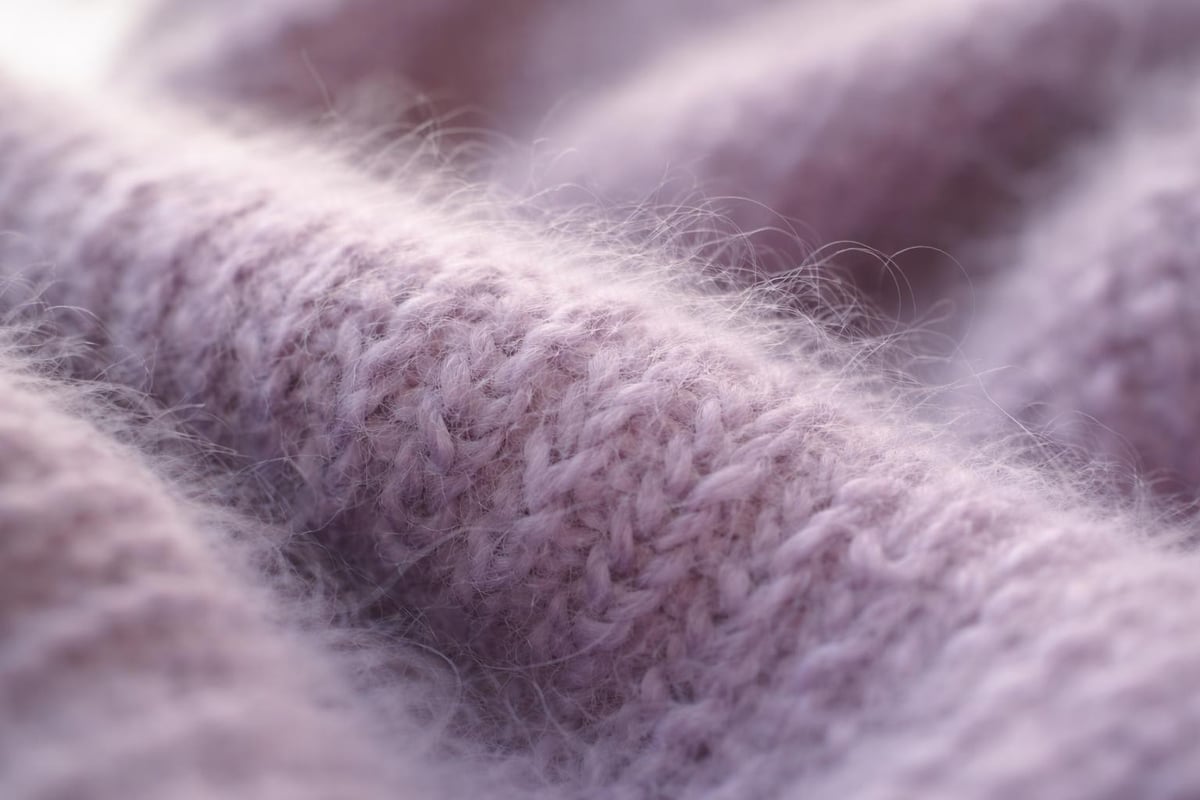
One of the most recognisable features of mohair thread is its signature halo effect. This soft, fuzzy aureole surrounding the yarn creates a luminous quality that catches light beautifully and adds dimension to every stitch. The halo develops from the fine fibres that stand slightly away from the main thread structure, creating that sought-after ethereal appearance in finished garments.
Key characteristics of the mohair halo include:
- Enhanced visual depth and texture in knitted fabric
- Light-catching properties that create subtle shimmer
- Softness that improves with wear and washing
- Natural camouflage for minor tension irregularities
Thermal Regulation and Insulation
Despite its lightweight nature, mohair thread provides exceptional thermal properties. The natural insulating qualities of mohair allow it to keep wearers warm in winter whilst remaining breathable in milder conditions. This thermoregulation occurs because the hollow core structure of mohair fibres traps air effectively, creating natural insulation without added bulk.
The moisture-wicking properties also contribute to comfort across various weather conditions. Mohair can absorb up to 30% of its weight in moisture without feeling damp, making it ideal for garments that need to perform across changing temperatures.
Durability and Longevity
When properly cared for, items made with mohair thread can last for generations. The fibre's natural strength comes from its smooth surface and protein structure, which resists abrasion and pilling better than many other natural fibres. This durability makes mohair an excellent investment for heirloom-quality pieces.
| Property | Mohair Thread | Standard Wool | Synthetic Yarn |
|---|---|---|---|
| Durability | Excellent | Good | Variable |
| Natural Lustre | High | Medium | Low |
| Elasticity | Superior | Good | Fair |
| Moisture Wicking | Excellent | Very Good | Poor |
| Thermal Regulation | Exceptional | Good | Limited |
Working with Mohair Thread in Your Projects
Knitting with mohair thread requires slightly different techniques compared to traditional wool, but the results are well worth the learning curve. Many knitters at Wild and Woolly Yarns have discovered that understanding a few key principles makes working with mohair thread both enjoyable and rewarding.
Selecting the Right Weight
Mohair thread comes in various weights, from laceweight to bulky options. Each weight serves different purposes and creates distinct effects in your finished project:
Laceweight mohair thread works beautifully for shawls, wraps, and delicate accessories. Often held double or combined with other yarns, it creates gossamer-light fabrics with incredible drape.
Sportweight to DK mohair suits a wide range of projects including jumpers, cardigans, and accessories. This weight offers excellent stitch definition whilst maintaining the characteristic mohair halo.
Bulky mohair thread knits up quickly into cosy scarves, hats, and statement pieces. The thick strand emphasises the halo effect and creates dramatic texture in simple stitch patterns.
Choosing Needles and Tension
The smooth surface of mohair thread means it slides easily on needles, making material choice important. Many experienced knitters prefer bamboo or wooden needles when working with mohair, as these provide slightly more grip than metal alternatives. However, circular needles in any material work well for larger projects.
Tension requires special attention when knitting with mohair thread. The halo effect can obscure individual stitches, making it difficult to spot mistakes immediately. Creating a generous swatch before starting your project helps establish the correct tension and allows you to become familiar with how the yarn behaves.
- Cast on at least 30 stitches for an accurate tension swatch
- Work in your chosen stitch pattern for 15-20 centimetres
- Block the swatch as you would the finished garment
- Measure tension after blocking, as mohair can relax significantly
- Adjust needle size accordingly before casting on your project
Managing the Halo During Knitting
The distinctive halo that makes mohair thread so attractive can occasionally present challenges during the knitting process. Stitches may seem to blend together, making it harder to count rows or identify specific stitches. Using stitch markers becomes even more valuable when working with mohair, particularly for complex patterns or shaping.
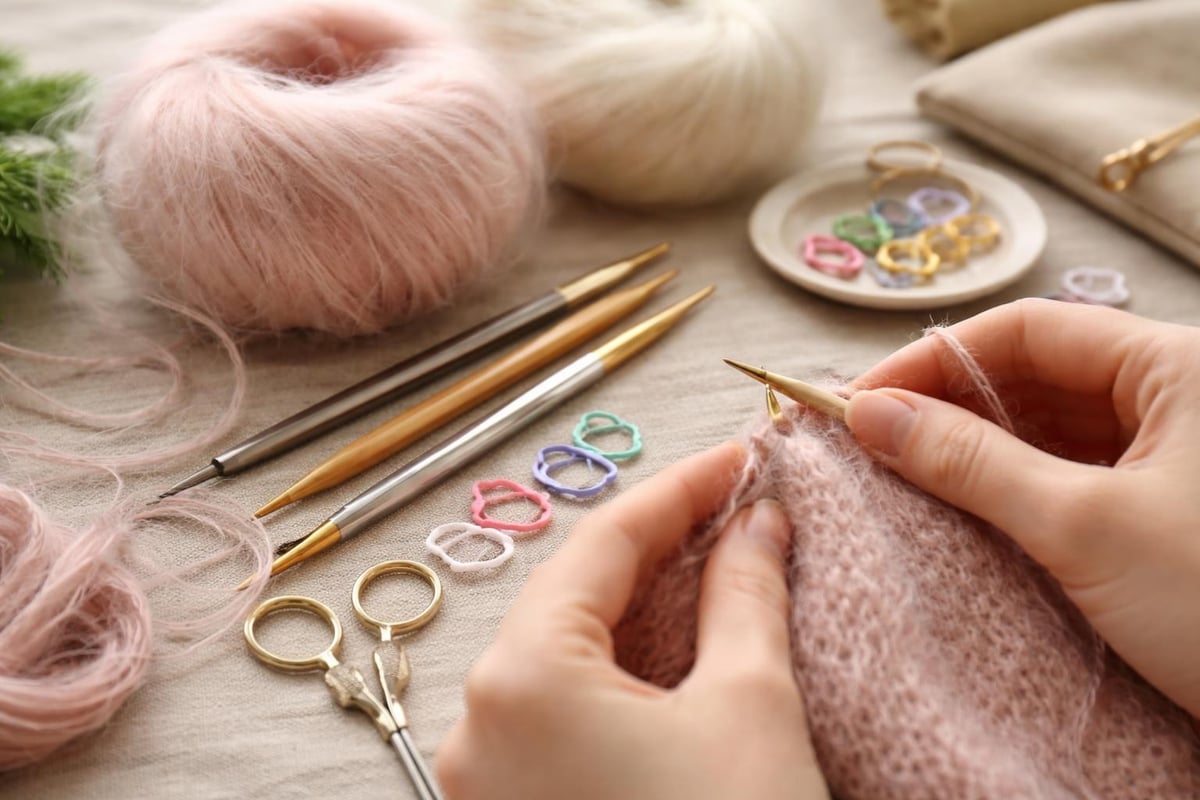
If you need to unpick stitches, work slowly and carefully. The fibres can catch on each other, but patience prevents damage to the yarn. Some knitters find it helpful to work in good lighting and use magnifying tools for intricate patterns.
Ideal Applications for Mohair Thread
The versatility of mohair thread makes it suitable for numerous knitting projects, each showcasing different aspects of its unique properties. Understanding which applications best highlight mohair's strengths helps you select the perfect yarn for each creation.
Garments and Wearables
Mohair thread excels in garments that benefit from its combination of warmth, lightness, and elegance. Sweater patterns designed specifically for mohair showcase the yarn's ability to create structured yet comfortable pieces. The natural elasticity helps garments maintain their shape over time, whilst the breathability prevents overheating.
Popular garment applications include:
- Lightweight jumpers with excellent drape
- Cardigans that layer beautifully without bulk
- Evening shawls and wraps for special occasions
- Beanies and hats with soft, luxurious texture
- Elegant scarves that provide warmth without weight
Accessories and Home Décor
Beyond wearables, mohair thread creates stunning accessories and home items. The natural luster and durability of mohair make it particularly suitable for pieces that need to maintain their appearance through regular use.
Throws and cushion covers knitted with mohair thread add sophisticated texture to interior spaces. The fibre's flame-resistant properties provide additional safety benefits for home furnishings, whilst its resistance to soiling keeps items looking fresh between cleanings.
Combining Mohair with Other Fibres
Many contemporary patterns call for mohair thread held together with complementary yarns. This technique, known as "holding double," allows knitters to customise the characteristics of their finished fabric. Combining a strand of 4-ply wool with laceweight mohair, for example, creates a yarn with the structure of the wool and the halo of the mohair.
| Combination | Effect | Best For |
|---|---|---|
| Mohair + Merino | Soft, warm, enhanced halo | Cosy jumpers, winter accessories |
| Mohair + Silk | Luxurious drape, subtle sheen | Evening wear, shawls |
| Mohair + Cotton | Lighter weight, summer wearable | Spring cardigans, layering pieces |
| Mohair + Alpaca | Maximum warmth, cloud-like texture | Cold weather garments |
Caring for Mohair Thread Projects
Proper care ensures that your mohair thread projects maintain their beauty and integrity for years to come. The fibre's natural properties make it relatively low-maintenance, but following specific guidelines helps preserve its unique characteristics.
Washing and Blocking
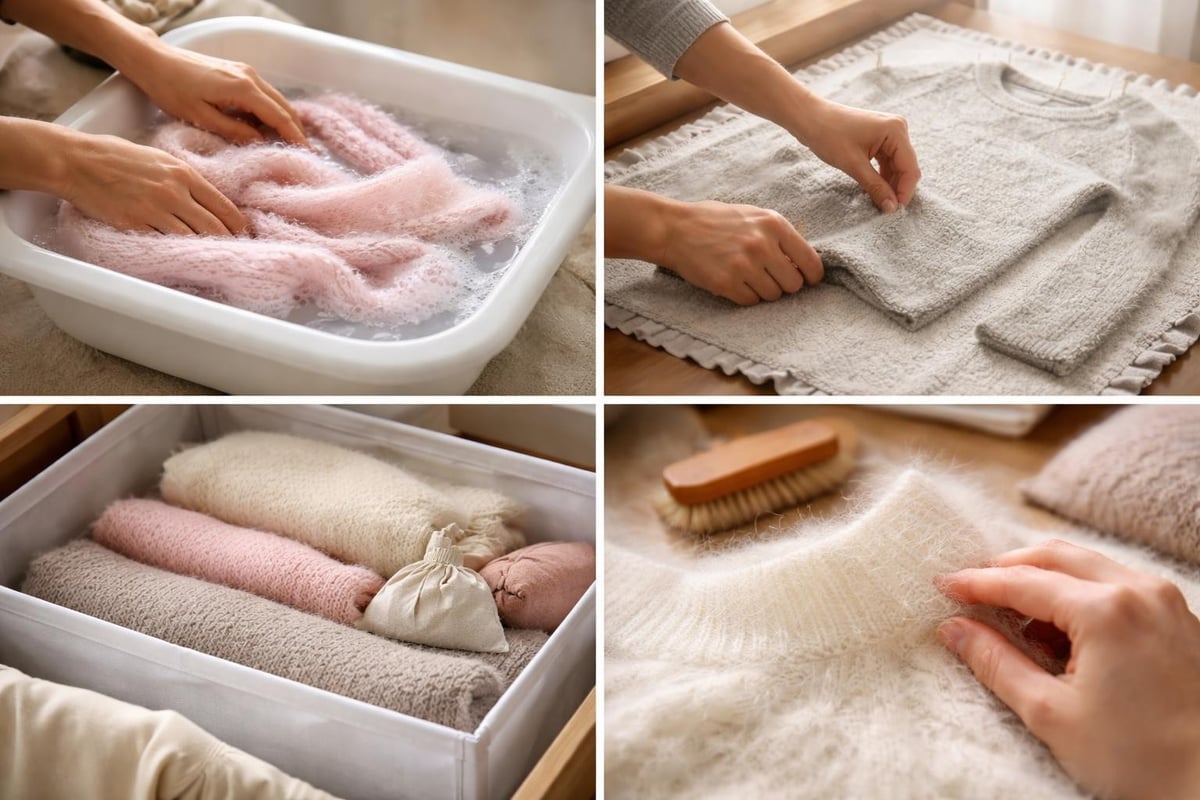
Hand washing remains the gold standard for mohair thread items, though many modern mohair blends tolerate gentle machine cycles. Use cool to lukewarm water and a specialised wool wash that won't strip the natural oils from the fibres. Avoid agitation, which can cause felting and matting.
- Fill a basin with cool water and add appropriate wool wash
- Submerge the item gently, pressing out air bubbles without wringing
- Let soak for 10-15 minutes, supporting the fabric weight
- Drain and refill with clean water for rinsing
- Press out excess water using a clean towel
- Block to measurements on a flat surface away from direct heat or sunlight
The halo may appear temporarily flattened after washing, but gentle brushing with a soft bristle brush once dry restores its characteristic fluffiness. Never hang wet mohair items, as the weight of the water can permanently stretch the fibres.
Storage Considerations
Storing mohair thread projects correctly prevents damage from moths, which find natural fibres particularly attractive. Clean items thoroughly before storage, as moths are drawn to food residues and body oils. Cedar blocks or lavender sachets provide natural moth deterrence without chemical odours.
Essential storage practices include:
- Using breathable cotton storage bags rather than plastic
- Adding natural moth repellents to storage areas
- Folding rather than hanging to prevent stretching
- Checking stored items periodically for any signs of pest damage
- Keeping storage areas cool, dark, and dry
Maintaining the Halo Effect
Over time and with wear, the mohair halo may become slightly compressed in areas of high friction. Gentle brushing with a clean, soft-bristled brush helps restore the fluffiness. Some knitters use a clean pet slicker brush for this purpose, working gently to avoid pulling fibres loose.
If pilling occurs, remove pills carefully with dedicated fabric shavers or by hand. The smooth surface of mohair means it pills less than many other fibres, but blended yarns may develop some pilling from the companion fibre.
Selecting Quality Mohair Thread
Not all mohair thread is created equal, and understanding quality indicators helps you choose the best yarn for your projects. The age of the goat when shorn, processing methods, and blend ratios all affect the final product's characteristics and performance.
Understanding Kid Mohair Versus Adult Mohair
Kid mohair comes from the first or second shearing of young Angora goats and represents the finest quality available. These fibres measure 24-29 microns in diameter, creating exceptionally soft thread suitable for garments worn next to the skin. The delicate nature of kid mohair makes it ideal for baby items, luxury scarves, and fine knitwear.
Adult mohair, whilst slightly coarser at 30-40 microns, offers excellent value and performs beautifully in many applications. The increased diameter provides additional durability, making adult mohair thread appropriate for items that receive frequent wear or require more structure.
Evaluating Blend Ratios
Pure mohair thread contains 100% mohair fibre, whilst blends combine mohair with other materials to achieve specific properties or price points. Common blends include mohair with silk, wool, or synthetic fibres. Each combination offers distinct advantages:
Mohair-silk blends (typically 70-75% mohair, 25-30% silk) combine the halo effect with exceptional drape and subtle sheen. These luxury yarns work beautifully for special occasion garments and accessories.
Mohair-wool blends (ratios vary widely) provide structure from the wool whilst maintaining mohair's characteristic lightness. These practical blends suit everyday garments and offer easier care than pure mohair.
Colour Considerations
Mohair thread accepts dye exceptionally well, resulting in vibrant, long-lasting colours. However, the halo effect means that colours in mohair appear slightly softer and more diffused than in smooth yarns. When selecting colours for projects, consider how the halo will affect the overall appearance.
Variegated and hand-dyed mohair thread creates stunning effects as colours blend through the halo. These specialty yarns showcase the unique qualities of mohair whilst adding visual interest to simple stitch patterns.
Pattern Selection for Mohair Thread
Choosing patterns that complement mohair thread's characteristics ensures successful projects that showcase the yarn's best qualities. Certain stitch patterns and construction methods work particularly well with this distinctive fibre.
Stitch Patterns That Shine
The halo effect of mohair thread means that highly textured stitch patterns may not show as clearly as they would in smooth yarns. However, this same property creates stunning effects in other pattern types:
Lace patterns look spectacular in mohair thread, as the halo creates a soft, romantic quality around the open spaces. Simple lace repeats often prove more effective than complex charts, as the visual effect comes more from the yarn itself than intricate stitch work.
Garter stitch and simple textures allow the mohair to be the star. These straightforward patterns knit up quickly and show off the yarn's natural beauty without competing for attention.
Colourwork takes on a unique quality in mohair thread, with colours appearing to float and blend at the edges. This creates a softer, more painterly effect than crisp Fair Isle work in traditional wool.
Finding appropriate patterns becomes easier when you explore resources like free patterns designed specifically with mohair's properties in mind. Many designers now create collections that highlight this yarn's distinctive characteristics.
Construction Techniques
Top-down construction methods work particularly well for mohair garments, as they allow for easy trying on and adjusting of fit as you work. The yarn's elasticity means that seaming requires care to avoid stretching, making seamless construction an attractive alternative.
When patterns do require seaming, mattress stitch provides invisible joins that maintain the fabric's drape. Working seams with the same yarn can be challenging due to the halo, so some knitters prefer using a smooth yarn in a matching colour for joining pieces.
Adapting Existing Patterns
Many standard knitting patterns adapt beautifully to mohair thread with minor adjustments. When substituting mohair for the specified yarn, always knit a tension swatch to determine if needle size changes are necessary. The halo effect may require sizing down to achieve comparable drape and fit.
Consider that mohair's lightweight nature means garments weigh less than those knitted in standard wool, affecting how pieces hang on the body. 8-ply patterns often translate well to thicker mohair held single or lighter mohair held double.
Sustainability and Ethical Considerations
As knitters increasingly prioritise ethical and sustainable choices, understanding mohair thread production becomes important. The fibre's natural properties align well with environmental consciousness, whilst production practices vary among suppliers.
Environmental Benefits
Mohair thread offers several environmental advantages over synthetic alternatives. As a natural, renewable fibre, it biodegrades completely at the end of its useful life. The production process requires less energy than manufacturing synthetic yarns, and the fibre's durability means items last longer, reducing overall consumption.
Angora goats are efficient converters of vegetation to fibre, often grazing on land unsuitable for other agricultural purposes. Their environmental impact per kilogram of fibre produced compares favourably to many other livestock operations.
Ethical Production Practices
Responsible mohair production prioritises animal welfare throughout the shearing and care process. Reputable suppliers maintain transparent relationships with their fibre sources and can trace mohair back to specific farms. When selecting mohair thread, look for certifications or supplier statements regarding animal welfare standards.
The growing market for mohair has encouraged sustainable farming practices in regions like South Africa, Australia, and New Zealand. Supporting producers who prioritise ethical treatment of animals and environmental stewardship helps ensure the future of this remarkable fibre.
Local and Artisan Options
Artisan dyers and small-batch producers increasingly offer mohair thread options that support local economies and traditional skills. These specialty yarns often come with detailed information about sourcing and production, allowing knitters to make informed choices aligned with their values.
Mohair thread represents a unique intersection of luxury, performance, and versatility that continues to captivate the knitting community. Understanding its distinctive properties, care requirements, and ideal applications enables knitters to create stunning projects that showcase this exceptional fibre's natural beauty. Whether you're exploring patterns for your first mohair project or seeking premium yarn for an heirloom piece, Wild and Woolly Yarns offers expert guidance and carefully curated selections to support your creative journey.