

PetiteKnit Patterns: A Guide to Scandinavian Knitwear
The knitting world has witnessed a remarkable shift toward minimalist, modern design over recent years, and one name consistently rises to the forefront of this movement. PetiteKnit, created by Danish designer Mette Wendelboe Okkels, has transformed how contemporary knitters approach garment construction, bringing Scandinavian simplicity and elegance to knitters worldwide. Whether you're browsing patterns on PetiteKnit's official website or exploring her extensive collection on Ravelry, understanding what makes these designs special can help you select the perfect project and yarn combination for your next creation.
Understanding the PetiteKnit Phenomenon
The rise of petiteknit as a household name in modern knitting circles didn't happen overnight. Mette Wendelboe Okkels launched her pattern brand in 2015, bringing a fresh perspective to traditional Scandinavian knitwear techniques. Her designs balance accessible construction methods with sophisticated styling, making them appealing to both novice knitters seeking their first sweater and experienced crafters wanting refined wardrobe staples.
The Design Philosophy Behind PetiteKnit
What distinguishes petiteknit patterns from countless other offerings in today's saturated market? The answer lies in thoughtful minimalism. Each design strips away unnecessary complexity while maintaining beautiful proportions and wearable silhouettes.
Key characteristics include:
- Clean lines with minimal shaping
- Versatile construction often worked seamlessly from the top down
- Modern colour palettes that embrace neutrals and soft tones
- Detailed instructions suitable for intermediate knitters
- Size inclusivity across most pattern ranges
The patterns frequently incorporate Scandinavian techniques such as contiguous set-in sleeves, which create a polished finish without complicated seaming. This approach resonates with knitters who value both the meditative process of knitting and the practical outcome of garments they'll actually wear.
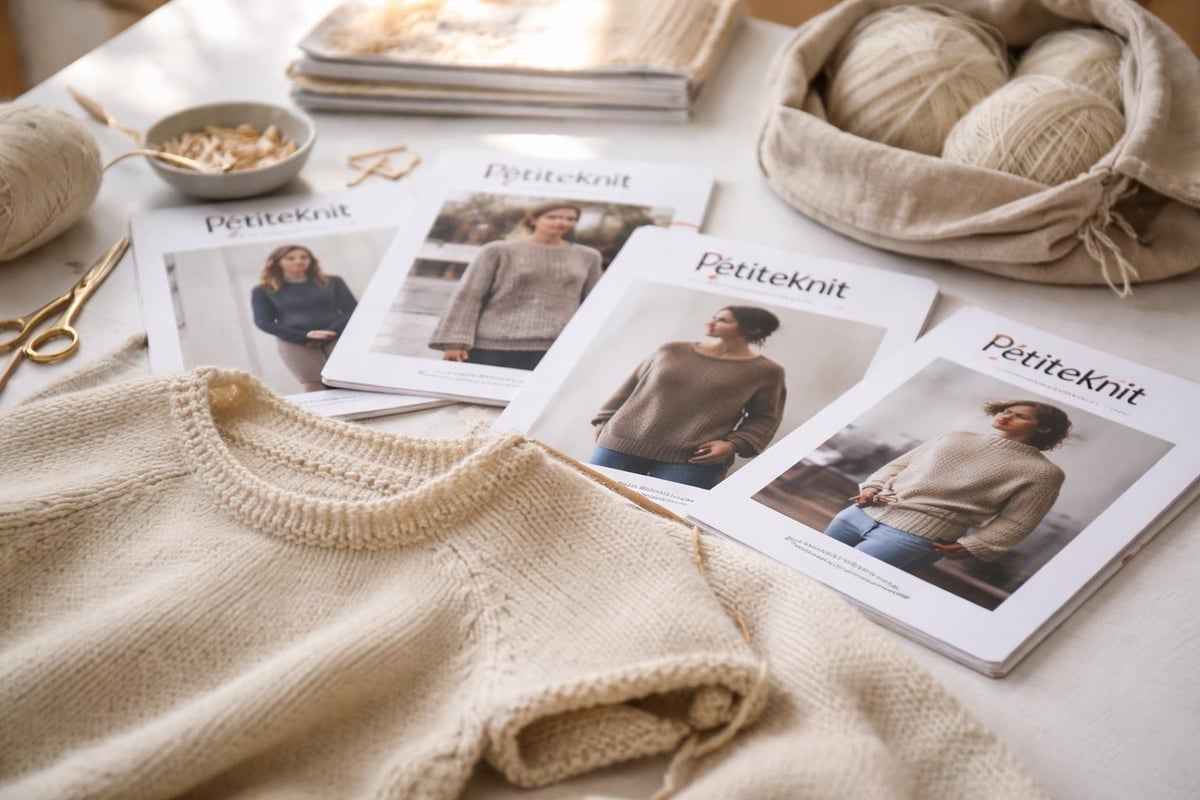
Popular PetiteKnit Patterns for Every Skill Level
Understanding which patterns suit your skill level helps ensure project success. The petiteknit catalogue offers something for everyone, though certain designs have achieved particular prominence within the knitting community.
The Novice Sweater
Perhaps the most accessible entry point into petiteknit's world, the Novice Sweater lives up to its name. This pattern introduces knitters to top-down raglan construction with minimal complexity.
Pattern Features:
| Element | Description |
|---|---|
| Construction | Top-down raglan with no seaming |
| Difficulty | Advanced beginner to intermediate |
| Yarn Weight | Fingering weight or sport weight |
| Techniques | Basic increases, stockinette stitch |
The Novice Sweater typically requires approximately 1,000-1,400 metres of fingering weight yarn, depending on size. This makes it an excellent project for showcasing beautiful hand-dyed yarns or exploring new fibre blends.
The Oslo Hat
Moving into accessories, the Oslo Hat represents petiteknit's ability to create statement pieces from simple techniques. This slouchy beanie features a distinctive folded brim and relaxed crown shaping that works beautifully in both solid colours and variegated yarns.
The pattern calls for approximately 100 grams of DK weight yarn and introduces knitters to working in the round with double-pointed needles or magic loop method. Its quick knit time makes it perfect for gift knitting or using up special skeins from your stash.
Sunday Sweater and Beyond
For knitters ready to tackle more complex garment construction, the Sunday Sweater showcases petiteknit's signature aesthetic. This boxy pullover features dropped shoulders and ribbed details that create visual interest without overwhelming the design.
Choosing Yarn for PetiteKnit Patterns
Success with any petiteknit pattern begins with appropriate yarn selection. While the designer often collaborates with specific yarn companies and suggests particular fibres, understanding the general characteristics that work well helps you make informed substitutions from your local yarn shop.
Common Yarn Weights in PetiteKnit Designs
Most petiteknit patterns utilise fingering weight or DK weight yarns, reflecting Scandinavian preferences for lighter-weight knits that layer beautifully.
Fingering Weight Applications:
Fingering weight yarn (also called 4-ply) creates delicate, drapey fabrics perfect for close-fitting garments. These patterns typically specify a gauge of 24-28 stitches per 10 centimetres on 2.5-3.5mm needles. The finer yarn weight means longer knitting times but results in elegant, lightweight garments suitable for New Zealand's variable climate.
DK Weight Versatility:
DK (double knit or 8-ply) weight yarn works up faster while still maintaining refined appearance. At approximately 20-24 stitches per 10 centimetres on 3.5-4.5mm needles, these patterns progress more quickly without sacrificing wearability. Our collection at Wild and Woolly Yarns includes excellent DK options that substitute beautifully in petiteknit patterns.
Fibre Choices That Work
Understanding fibre content helps achieve the intended drape and durability in your finished garment.
| Fibre Type | Characteristics | Best For |
|---|---|---|
| Merino wool | Soft, elastic, warm | Close-fitting sweaters, hats |
| Wool blends | Durable, less pilling | High-wear items, cardigans |
| Merino/mohair blend | Lightweight, halo effect | Ethereal sweaters, shawls |
| Superwash wool | Easy care, vibrant colours | Everyday wear garments |
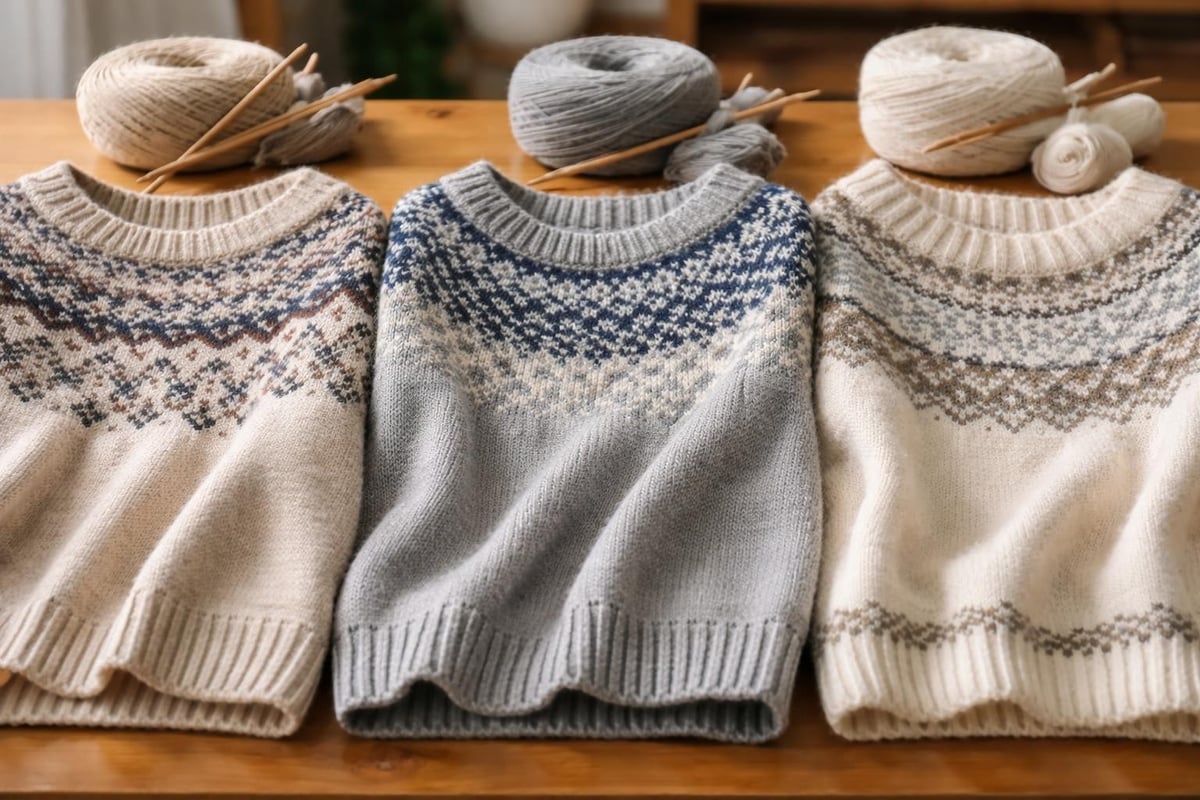
Many petiteknit designs specifically call for yarn held double with a strand of mohair silk, creating that characteristic Scandinavian cloudiness. This technique works particularly well with the Sunday Sweater and similar designs where visual softness enhances the minimalist aesthetic.
What Yarn Does PetiteKnit Use?
When examining patterns from petiteknit, you'll frequently encounter collaborations with specific yarn brands that align with her design aesthetic. Understanding these preferences helps when selecting substitutes or exploring similar yarns available locally.
Sandnes Garn Partnership
The designer maintains a strong relationship with Sandnes Garn, a Norwegian yarn company producing high-quality wool yarns. Popular lines include:
- Tynn Silk Mohair: A laceweight mohair silk blend
- Peer Gynt: A reliable DK weight wool
- Sunday: A merino/angora blend specifically developed for petiteknit patterns
These yarns exemplify the Scandinavian preference for natural fibres with excellent stitch definition and beautiful drape.
Substitution Strategies
When the specified yarn isn't available or you prefer working with different fibres, successful substitution requires matching several key factors. Always begin by checking the pattern's recommended gauge and metreage requirements.
Substitution Checklist:
- Match yarn weight category (fingering, DK, etc.)
- Achieve identical gauge with suggested needle size
- Compare total metreage needed versus skein quantities
- Consider fibre content's impact on drape
- Evaluate care requirements for intended garment use
The experienced staff at yarn shops can help you navigate these considerations, ensuring your substitute yarn will work beautifully in your chosen pattern. You can explore various knitting techniques and yarn pairing strategies through our knitting tutorials to build confidence in making these decisions.
Planning Your PetiteKnit Project
Moving from pattern purchase to cast-on requires thoughtful planning. These steps help ensure project success and minimise frustration during the knitting process.
Gauge Swatching Essentials
Never skip the gauge swatch, regardless of your experience level. Petiteknit patterns rely on precise measurements to achieve their characteristic fit, making gauge accuracy critical.
Effective Swatching Process:
- Cast on 10-15 stitches more than the gauge measurement
- Work 10-15 centimetres in pattern stitch
- Wash and block the swatch as you would the finished garment
- Measure after blocking when completely dry
- Adjust needle size if necessary and swatch again
Remember that different needle materials (metal, wood, bamboo) can affect tension slightly. Use the same needle type for swatching that you'll use for the project.
Size Selection Considerations
Petiteknit patterns typically include detailed finished measurements and schematic diagrams. Rather than choosing based solely on your typical clothing size, measure a favourite well-fitting garment and compare it to the pattern's finished dimensions.
Most designs include approximately 5-15 centimetres of positive ease (the difference between your body measurements and the finished garment). Patterns like the Novice Sweater work best with this relaxed fit, while others may specify negative ease for a closer fit.
Understanding Petiteknit's Cultural Impact
The influence of petiteknit extends beyond individual pattern sales into broader knitting culture and even high fashion. Recent coverage in publications like El País highlights how Mette Wendelboe Okkels' designs have inspired major fashion brands, bringing hand-knit aesthetics to runways worldwide.
The Instagram Effect
Social media platforms, particularly Instagram, have amplified petiteknit's reach exponentially. Thousands of knitters share their finished projects using pattern-specific hashtags, creating vibrant communities around individual designs. This visibility helps knitters visualise how patterns look in different yarns, colours, and on various body types.
Building Knitting Community
The petiteknit phenomenon demonstrates how well-designed patterns foster connection among knitters. Whether joining knit-alongs, sharing modifications, or troubleshooting construction questions, knitters working with these patterns find themselves part of a global community.
You can read about customer experiences through Trustpilot reviews to understand how others have engaged with these patterns and what to expect from the purchasing and support process.
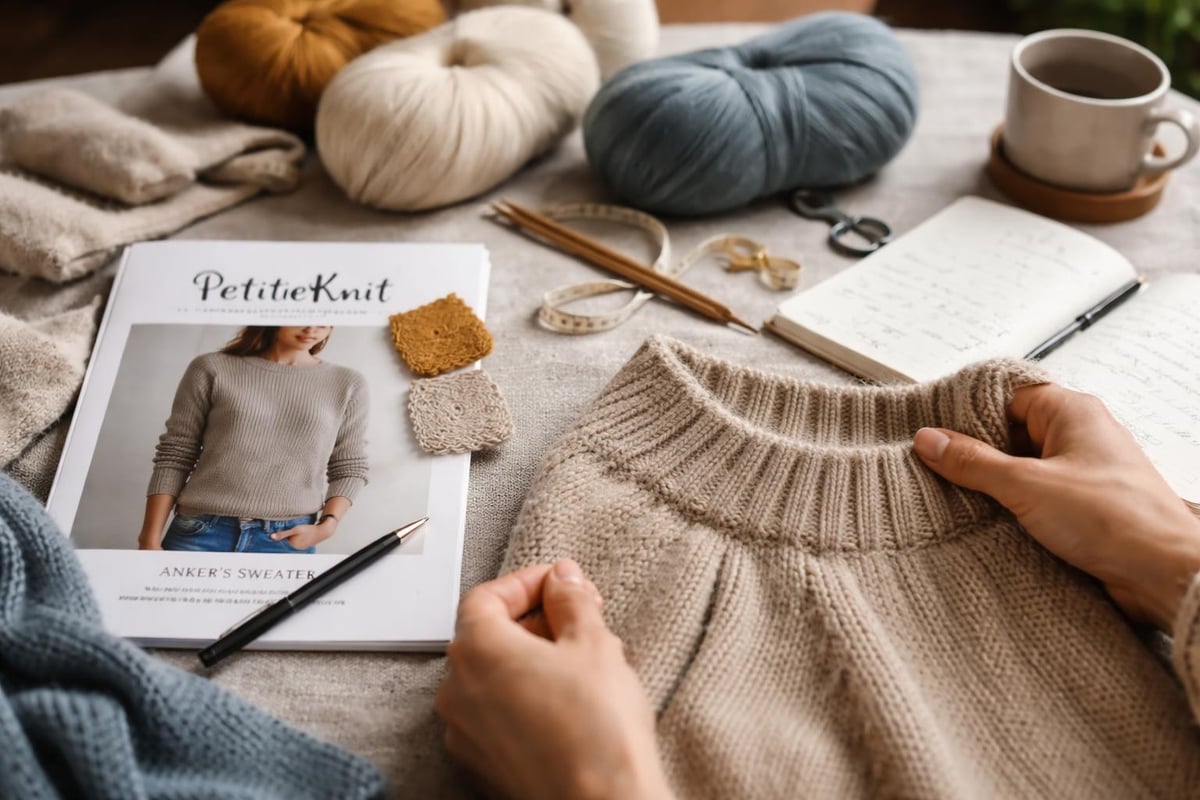
Yarn Shopping Tips for Scandinavian Patterns
When preparing to knit a petiteknit design, strategic yarn shopping ensures you have everything needed without overbuying or running short.
Calculating Yarn Quantities
Patterns specify yarn requirements in metres or yards rather than ball quantities, as skein sizes vary between brands. When substituting yarns, use these metreage figures rather than the number of balls called for in the pattern.
Practical Calculation Example:
- Pattern calls for 1,200 metres fingering weight
- Your chosen yarn comes in 100-metre skeins
- Purchase 13 skeins (allowing extra for gauge swatching and potential variations)
Dye Lot Considerations
Always purchase sufficient yarn from the same dye lot to complete your project. Even minimal colour variations become visible in large areas of stockinette stitch common in petiteknit designs.
If you're unsure about quantities, our team at Wild and Woolly Yarns can help calculate requirements and ensure you have enough yarn from matching dye lots. We understand the importance of having the right materials before starting a significant project.
Troubleshooting Common Challenges
Even well-written patterns can present challenges, particularly when working with new construction techniques or yarn substitutions.
Gauge Variations
If your gauge matches horizontally but not vertically (or vice versa), you may need to adjust your knitting technique rather than needle size. Looser knitters often achieve correct stitch gauge but fewer rows per centimetre, while tight knitters experience the opposite.
Solutions include:
- Changing needle brand or material
- Adjusting tension consciously while knitting
- Using different needle sizes for ribbing versus stockinette
- Blocking more aggressively to achieve pattern dimensions
Yarn Pooling and Variegation
Hand-dyed and variegated yarns can pool unpredictably in stockinette-heavy designs. If concerned about this effect, knit a larger swatch or consider alternating between two skeins every few rows to distribute colour more evenly.
Sleeve Length Adjustments
One of the most common modifications knitters make involves adjusting sleeve length for personal preference or arm length. Because most petiteknit sweaters use top-down construction, this adjustment is straightforward: simply knit more or fewer rounds before beginning cuff decreases.
Building Your Petiteknit Wardrobe
Rather than treating each pattern as an isolated project, many knitters approach petiteknit designs as building blocks for a cohesive handknit wardrobe.
Capsule Wardrobe Approach
Select patterns in complementary styles and neutral colour palettes that work together. A typical petiteknit capsule might include:
- One statement sweater in a bold colour
- Two neutral cardigans for layering
- Several accessory patterns (hats, scarves) in coordinating shades
- A lightweight pullover for transitional seasons
This approach maximises versatility while maintaining the cohesive aesthetic that makes petiteknit designs so appealing.
Seasonal Knitting Planning
New Zealand's climate requires thoughtful consideration of yarn weights and garment types. Fingering weight sweaters work beautifully for Auckland's mild winters, while slightly heavier DK weights suit cooler regions. Planning your knitting calendar around seasonal needs ensures you complete projects when you'll actually wear them.
The varied collection available through local yarn shops helps you source appropriate weights for your climate. When you visit Wild and Woolly Yarns, our staff can recommend specific yarn weights and fibre contents that will work best for your regional weather patterns.
Advanced Modifications and Customisation
Once comfortable with basic petiteknit patterns, many knitters explore modifications to personalise their garments further.
Colourwork Integration
While most petiteknit designs feature solid colours or simple stripes, the clean construction provides an excellent canvas for adding stranded colourwork. The Sunday Sweater's yoke, for example, can accommodate a simple Fair Isle pattern without altering the overall garment structure.
Adjusting Ease and Fit
Changing the amount of ease requires recalculating stitch counts based on your desired finished measurements. This modification works best when you understand the pattern's construction logic and can adjust increases/decreases proportionally.
Modification Steps:
- Decide on your desired finished bust measurement
- Calculate new stitch count based on gauge
- Adjust raglan increases to reach this number
- Recalculate body and sleeve stitches proportionally
- Maintain established shoulder-to-sleeve ratios
These adjustments become easier with experience and a solid understanding of garment construction principles.
Exploring petiteknit patterns opens doors to modern Scandinavian design while building essential garment knitting skills that translate across countless projects. Whether you're drawn to the Novice Sweater's simplicity or ready to tackle more complex designs, choosing the right yarn makes all the difference in your finished garment. With over 40 years of experience serving the knitting community, Wild and Woolly Yarns stocks the quality yarns, needles, and expert advice you need to bring your petiteknit vision to life. Visit us today to find the perfect yarn for your next Scandinavian-inspired creation.