

DK Cotton Yarn Guide: Tips & Trends for 2026 Crafters
The world of crafting is buzzing as dk cotton yarn takes centre stage heading into 2026. Crafters are discovering just how versatile and inspiring this yarn can be, from garments to home décor.
This comprehensive guide will empower you with the latest tips, techniques, and trend insights for dk cotton yarn projects. You will learn the essentials, discover how to choose quality yarn, explore colour and texture trends, find pattern inspiration, and consider sustainability.
Ready to master new skills and experiment with dk cotton yarn? Dive in and unlock endless creative possibilities for your next project.
Understanding DK Cotton Yarn: What Every Crafter Should Know
DK cotton yarn is a staple in the toolkit of modern crafters, prized for its versatility and comfort. Whether you are new to yarn crafts or a seasoned maker, understanding what makes DK cotton yarn unique is essential for project success. This section explores what sets this yarn apart and why it is so popular.
Defining DK Cotton Yarn
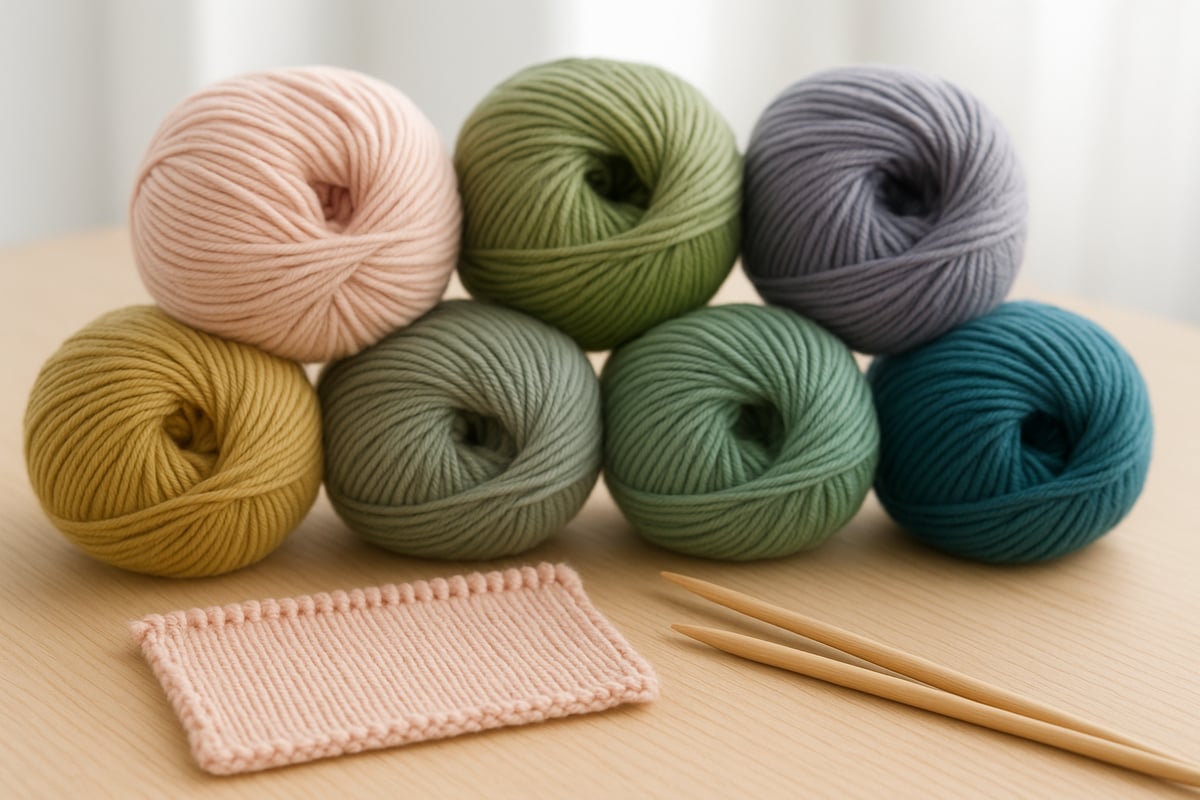
DK cotton yarn belongs to the Double Knitting category, often labelled as 8ply or Light (3) weight. Its standard gauge is 22 stitches and 30 rows per 10cm when worked on 3.75mm needles, offering a balance between drape and structure.
Unlike finer 4ply or heavier Aran and Chunky yarns, DK cotton yarn is known for its medium thickness and adaptability. It is made from 100 percent cotton fibres, which provide a soft, breathable, and durable finish for projects. Key characteristics include excellent stitch definition, making textures and lacework stand out, and a natural coolness ideal for spring and summer items.
For example, Rowan Summerlite DK Cotton offers a smooth matte finish and comes in 50g balls with 130m length, making it a favourite among knitters and crocheters.
Benefits of DK Cotton Yarn for Crafters
Many crafters choose DK cotton yarn for its comfort and practicality. The softness of pure cotton is gentle on sensitive skin, making it suitable for babywear and those with allergies. Its hypoallergenic properties add to its appeal for family projects.
Stitch definition is a standout benefit, allowing cables, lace, and textured patterns to shine. The lightweight nature of DK cotton yarn means garments and accessories remain cool and easy to wear, especially in warmer climates.
Care is straightforward, with many options being machine washable. As a vegan, plant-based fibre, it is also an eco-conscious choice. The broad palette of available colours inspires creative freedom for every style.
Common Uses and Project Types
DK cotton yarn is incredibly versatile, lending itself to a wide range of projects. It is a top pick for creating garments such as cardigans, jumpers, summer tops, and especially baby clothes due to its gentle touch.
Accessories like hats, scarves, and lightweight shawls benefit from the yarn's drape and breathability. For the home, DK cotton yarn works beautifully in cushion covers, throws, and durable dishcloths.
Both knitters and crocheters can enjoy the yarn, with patterns and kits available for all skill levels. Whether you are crafting for yourself, your family, or as gifts, DK cotton yarn provides endless possibilities.
Key Brands and Product Examples
When choosing DK cotton yarn, leading brands set the standard for quality and innovation. Rowan, King Cole, Rico Design, and DROPS are well-known for their reliable 8ply cotton lines.
Rowan Summerlite DK Cotton stands out with its 31-shade palette, matte finish, and smooth texture. Many brands now offer eco-friendly and vegan alternatives, catering to the growing demand for sustainable materials. Undyed and hand-dyed options are popular for crafters seeking custom results.
New Zealand makers can explore a wide range of choices in the 8 Ply (DK) Yarn Collection, which features both local and international brands, making it easy to find the perfect DK cotton yarn for any project.
How to Choose the Best DK Cotton Yarn for Your Project
Selecting the right dk cotton yarn is the foundation of a successful crafting experience. With a wide array of options on the market, it is crucial to evaluate yarn quality, colour, texture, sourcing, and planning to ensure your project comes together beautifully. Each aspect contributes to the overall look, feel, and longevity of your finished piece.
Assessing Yarn Quality and Fibre Content
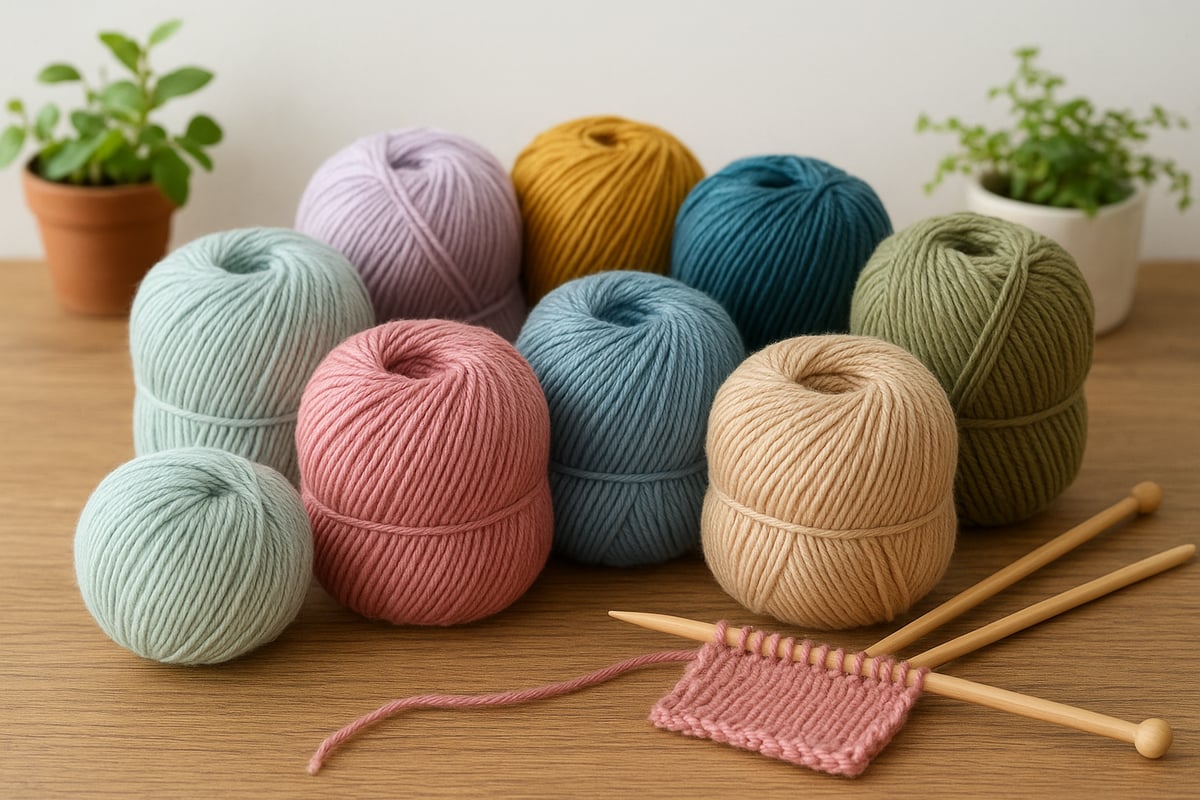
Quality is paramount when choosing dk cotton yarn for any project. Pure 100 percent cotton offers softness and breathability, while blends with bamboo or acrylic can enhance drape or durability. Always check the ply structure for evenness and strength, as this affects stitch definition and the finished texture.
Consider ball weight and meterage, as dk cotton yarn typically comes in 50g balls with about 130m length. Test for pilling resistance by gently rubbing a small length between your fingers. For items subject to frequent washing, opt for machine washable varieties. Taking these steps ensures your dk cotton yarn will stand up to wear and keep your projects looking fresh.
Colour Selection: Trends and Practical Tips
Colour plays a vital role in the appeal of your dk cotton yarn projects. In 2026, gentle pastels, vibrant jewel tones, and earthy neutrals are trending. When selecting shades, think about the season, recipient, and intended use of your project.
Dye technique also matters. Solid, variegated, or speckled yarns create different visual effects. Use shade cards or knit small swatches to test how colours appear in natural light. Rowan’s Summerlite DK offers a versatile 31 colour palette, making it easier to find the perfect match for your vision.
Texture and Finish: What to Look For
Texture and finish can transform the outcome of your dk cotton yarn project. Matte yarns are excellent for crisp stitch definition, while glossy finishes catch the light and add subtle sheen. Multi-plied yarns tend to be stronger and less prone to splitting, which is ideal for textured stitches like cables or lace.
Explore unique textures such as chainette or boucle for added interest. Matching the yarn’s structure to your pattern ensures both beauty and durability. Always consider the feel in your hands as you knit or crochet, as comfort during crafting is just as important as the final look.
Sourcing Yarn: Where and How to Buy
Finding the best dk cotton yarn often means exploring both local and online retailers. Local yarn shops offer the advantage of seeing and feeling yarn in person, while online stores provide a wider selection and convenient delivery. Compare prices, shipping policies, and return options before purchasing.
Supporting New Zealand-based shops is a great way to keep your crafting community thriving. Customer reviews offer valuable insight into yarn performance and service quality. For those wanting to browse a curated collection, the Cotton Yarn Selection at Wild & Woolly Yarns showcases a variety of dk cotton yarn choices suitable for every project.
Estimating Yarn Quantities and Project Planning
Accurate planning ensures you have enough dk cotton yarn to finish your project without waste. Most patterns specify the required yardage, but online calculators can help estimate for custom designs. For garments and larger items, always buy an extra ball to account for swatching or dye lot variations.
Keep leftover yarn for repairs or small projects. Store unused balls in a cool, dry place, and label them with dye lot information to avoid mismatches later. A typical 50g ball of dk cotton yarn gives about 130m, which helps in calculating needs for everything from scarves to cardigans.
DK Cotton Yarn Trends for 2026: Colours, Textures & More
The landscape of dk cotton yarn is evolving rapidly as we approach 2026. Crafters are seeking fresh colours, innovative textures, and sustainable options that elevate their projects. Whether you knit, crochet, or do both, staying ahead of the latest dk cotton yarn trends ensures your creations remain stylish and functional.
Colour Forecast: What’s Hot in 2026
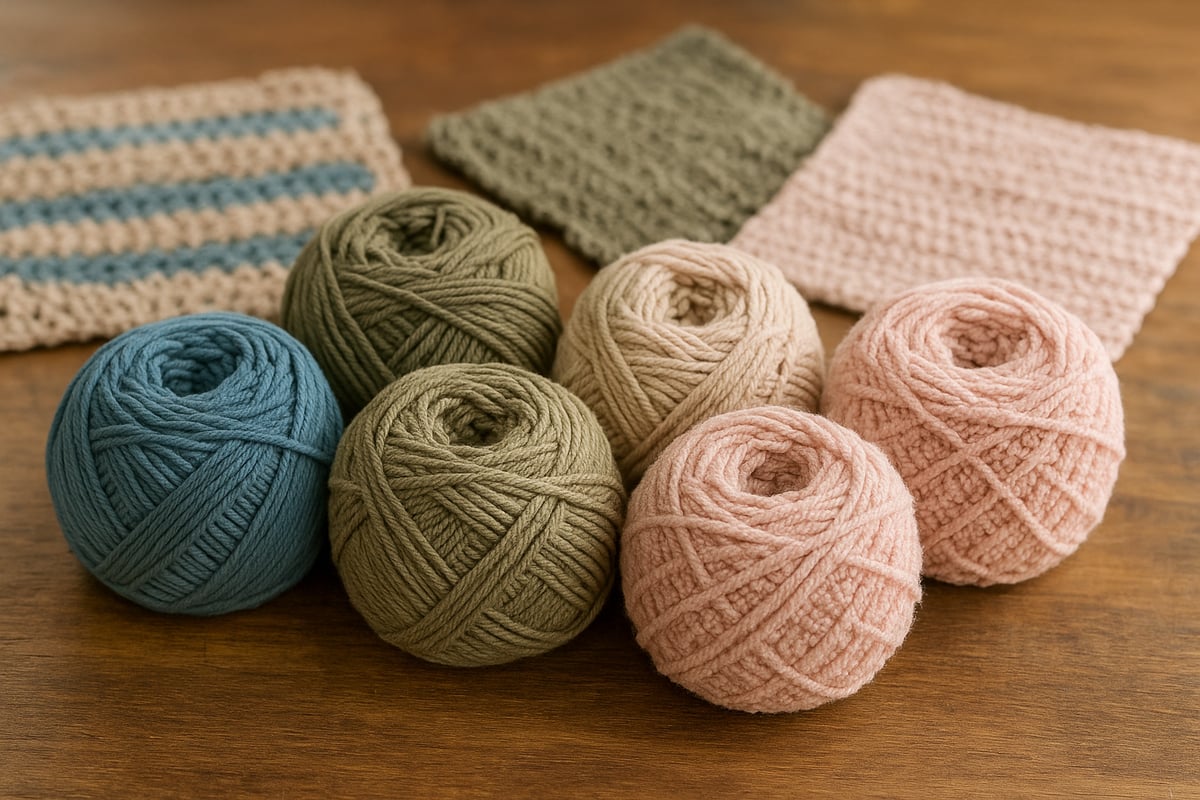
Colour trends for dk cotton yarn in 2026 are inspired by the natural world. Expect to see a surge in ocean blues, khaki greens, and sandy neutrals. Pastels make a comeback for spring and summer, while bold brights offer statement options for unique pieces.
Multi-colour and gradient yarns are gaining popularity, providing new ways to play with colourwork. For example, Rowan’s “Lagoon,” “Pear,” and “Indigo” shades showcase the depth and versatility available in modern palettes. Rowan Summerlite DK Cotton offers 31 sophisticated shades, making it a favourite for crafters wanting variety. To explore these colour options and pattern ideas, visit Rowan Yarn and Patterns.
The focus on nature-inspired shades gives every dk cotton yarn project a modern yet timeless appeal.
Texture and Structure Innovations
Texture is taking centre stage in dk cotton yarn collections for 2026. Multi-plied and chainette constructions are becoming more common, delivering both strength and a unique hand-feel. Matte finishes are favoured for their crisp stitch definition and contemporary look.
Textured yarns like boucle and slub are now entering mainstream lines, adding depth and subtle interest to simple patterns. These innovations enhance the final appearance of lace, cables, and openwork stitches, especially in lightweight garments and accessories.
For crafters, this means more choices for matching yarn texture to project style and skill level.
Sustainable and Eco-Friendly Yarn Options
Sustainability is a major theme in dk cotton yarn trends. Organic, recycled, and vegan yarns are increasingly available, responding to consumer demand for ethical crafting supplies. Brands are also improving packaging by reducing plastic and switching to recyclable materials.
Eco-friendly dyeing processes and traceable fibre sourcing give makers peace of mind. Vegan and plant-based options, such as organic cotton or blends with seaweed fibres, are in high demand for their minimal environmental impact.
Choosing sustainable dk cotton yarn supports both personal values and the planet.
Pattern and Project Styles on the Rise
Project styles for dk cotton yarn in 2026 reflect the shift toward comfort and versatility. Lightweight layering garments, openwork tops, and breezy cardigans are leading the way. In home décor, throws, table runners, and eco-friendly dishcloths are popular for their practicality and style.
Crochet is gaining ground, particularly for accessories and amigurumi toys. Pattern designers are catering to all skill levels, with beginner-friendly guides and advanced techniques both widely available.
This diversity ensures every crafter can find a dk cotton yarn project to suit their taste and experience.
Influencer and Community Trends
Community engagement is shaping dk cotton yarn trends through social media, workshops, and local events. Knitting and crochet-alongs (KALs/CALs) bring crafters together to explore new colourways and stitch patterns. Online platforms drive the discovery of trending designs and techniques.
In New Zealand, workshops and “knit & natter” groups foster skill-sharing and inspiration. Local yarn stores are hubs for these activities, keeping the dk cotton yarn community vibrant and connected.
These collaborative spaces encourage experimentation and keep crafters at the forefront of emerging trends.
Pattern Inspiration: DK Cotton Yarn Projects for Every Crafter
Choosing the right project is the first step to making the most of dk cotton yarn. Its versatility means there are endless options for crafters at every skill level. From stylish garments to creative homewares, here are some inspiring ideas to spark your next project.
Garments: From Summer Tops to Cardigans
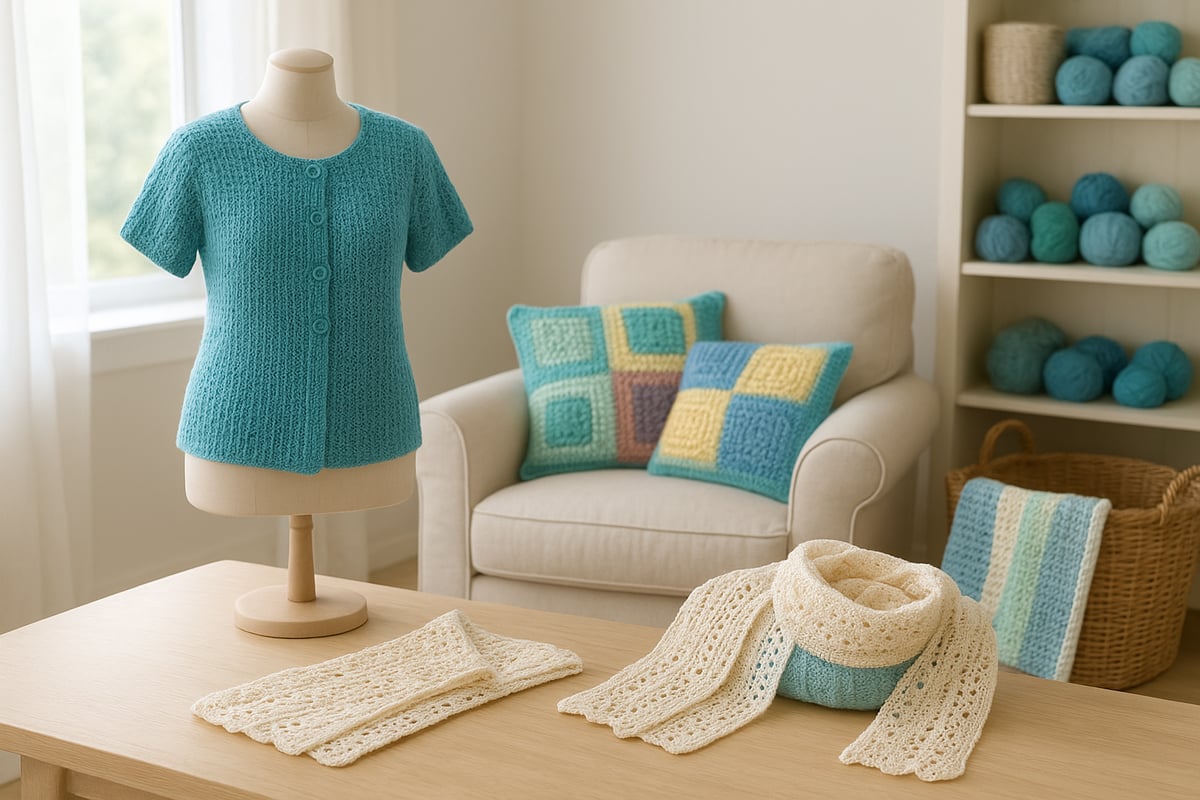
Garments made with dk cotton yarn are perfect for layering and comfort. Its lightweight feel and breathability make it ideal for summer tops, cardigans, and sleeveless jumpers for both adults and children. When selecting patterns, consider the yarn’s structure and drape to ensure the finished piece holds its shape well.
Classic cardigans, openwork tops, and cropped jumpers are perennial favourites. Many makers turn to trusted brands like Rowan, Sirdar, and King Cole for reliable patterns. For those seeking variety, there are also plenty of Free DK Yarn Patterns available online, offering inspiration for every style.
Accessories: Scarves, Hats, and More
Accessories are a fantastic way to showcase the stitch definition and colour range of dk cotton yarn. Lightweight scarves, lace shawls, and textured hats are popular choices, especially for transitional weather. The softness of the yarn ensures comfort even for sensitive skin.
Consider making beach bags or market totes, which benefit from the durability of cotton fibres. Leftover dk cotton yarn can be transformed into small projects like headbands, wrist warmers, or scrunchies, making sure no yarn goes to waste. Matching accessories to seasonal colour trends adds a modern twist to your wardrobe.
Homewares: Blankets, Cushions, and Dishcloths
Dk cotton yarn is well suited for home décor due to its absorbency and easy care. Soft, machine-washable blankets, cushion covers, and eco-friendly dishcloths are practical and stylish additions to any home. Choose colours that complement your interior for a coordinated look.
Minimalist designs with clean lines work beautifully, especially when using natural or pastel shades. Personalising projects with textured stitches or colour blocking can add unique flair. These homewares are also perfect for gifting, as they combine function with handmade charm.
Crochet Projects with DK Cotton Yarn
Crochet projects thrive with dk cotton yarn, thanks to its excellent stitch clarity and structure. Amigurumi toys, summer hats, and sturdy bags are just a few options that benefit from the yarn's qualities. Adjusting hook size and tension is key to achieving the desired firmness and finish.
Look for patterns designed specifically for cotton yarn to get the best results. Both beginner and advanced crocheters will find plenty of inspiration, from simple granny squares to intricate lace motifs. The versatility of dk cotton yarn means your crochet creations will be both beautiful and long-lasting.
Baby and Kids’ Patterns: Softness and Safety
Dk cotton yarn is a top choice for baby and children’s projects because it is hypoallergenic and gentle on delicate skin. Cardigans, booties, hats, and soft toys are all popular patterns, with safety always a priority. Avoiding loose embellishments or buttons ensures your handmade items are safe for little ones.
Brands like Rowan and King Cole offer dedicated baby pattern collections designed with comfort and practicality in mind. The natural fibre and easy-care qualities of dk cotton yarn make it ideal for garments and accessories that will be worn and washed often.
Essential Tips for Working with DK Cotton Yarn
Mastering dk cotton yarn projects begins with preparation and attention to detail. Whether you are a beginner or a seasoned crafter, refining your approach can elevate your results and prolong the life of your makes. Explore these essential tips to achieve beautiful, lasting pieces every time.
Preparing and Swatching Your Yarn
Before starting any dk cotton yarn project, always swatch your yarn. Swatching ensures your gauge matches the pattern, which is vital for garments and fitted accessories. Knit or crochet a sample square, then wash and block it as you would treat the final item. This step helps you see how the yarn behaves after laundering, as cotton can shrink or stretch.
When using sensitive or eco-friendly options like Undyed DK Organic Cotton, swatching is even more important. Check for softness and any reaction on your skin. Read all yarn labels for care instructions and fibre content. By investing time in swatching, you set the stage for successful dk cotton yarn projects.
Choosing the Right Needles and Hooks
Selecting the best tools for dk cotton yarn makes a noticeable difference in your craft. Most patterns recommend 3.75mm needles or hooks, but always adjust based on your personal tension and desired fabric. Cotton’s smooth texture glides well on wooden or bamboo tools, which offer a gentle grip and help control speed.
For those who prefer metal, these provide fast movement but can feel slippery with dk cotton yarn. Try a few materials to see what feels best in your hands. Remember to match needle or hook size to your swatch results. The right tools enhance stitch definition and make working with dk cotton yarn more enjoyable.
Managing Tension and Preventing Stretch
Cotton fibres are less elastic than wool, so tension management is crucial when working with dk cotton yarn. Aim for even stitches by maintaining a steady hand and consistent yarn flow. Loose tension can lead to sagging, especially in garments.
To add structure, incorporate ribbing, firm edgings, or seamed sections. Use techniques like mattress stitch for joining panels, which supports the shape. Store finished dk cotton yarn items flat rather than hanging to prevent stretching. With mindful tension and finishing, your projects will retain their form and fit over time.
Finishing Techniques: Seaming, Blocking, and Care
Finishing is where your dk cotton yarn project truly shines. Seam pieces together with strong, tidy stitches for durability. Block items using wet, steam, or spray techniques depending on the pattern and fibre. Blocking smooths out stitches and sets the final shape.
For washing, check if your dk cotton yarn is machine washable. If not, gently hand wash in cool water with mild detergent. Lay flat to dry to preserve shape and prevent distortion. Store your cotton creations in a cool, dry place to keep them fresh and ready to use.
Troubleshooting Common Issues
Even expert crafters encounter challenges with dk cotton yarn. Splitting yarn is common, especially with sharp needles or hooks. Slow down and use a tool with a rounded tip to reduce splitting. If you notice uneven stitches, check your tension and adjust your grip.
Pilling can occur with heavy use, but high-quality dk cotton yarn resists this problem. Always buy enough yarn from a single dye lot to avoid colour differences. For mistakes, unpick carefully to avoid damaging the cotton fibres. Seek advice from online forums or local yarn shops if issues persist. With patience and practice, you can overcome any dk cotton yarn hurdle.
Sustainability and Ethical Considerations in DK Cotton Yarn
As the crafting community looks to the future, sustainability is taking centre stage in the world of dk cotton yarn. Crafters are increasingly aware of the environmental and ethical implications of their materials, leading to a greater demand for responsible choices. Understanding how your yarn is produced and sourced is crucial for making eco-conscious decisions.
The Environmental Impact of Cotton Yarn
The production of dk cotton yarn has a significant environmental footprint. Traditional cotton farming uses large amounts of water and often relies on pesticides, which can harm ecosystems and communities.
Organic cotton offers a more sustainable alternative. It is grown without synthetic chemicals and uses less water, making it a preferable choice for eco-minded crafters. Eco-certifications, such as GOTS (Global Organic Textile Standard), help identify yarns produced with lower environmental impact.
In New Zealand and globally, demand for eco-friendly dk cotton yarn continues to rise. This shift is encouraging manufacturers to adopt greener practices and provide greater transparency around their processes.
Choosing Sustainable DK Cotton Yarns
When selecting dk cotton yarn, consider options made from organic, recycled, or fair-trade cotton. Brands are responding to consumer demand by launching innovative sustainable products.
For example, Hoooked Recycled DK Cotton is made from recycled materials, offering an affordable and environmentally friendly choice for crafters. Similarly, Nurturing Fibres Eco-Cotton features 100 percent natural cotton and is ideal for a range of projects.
Assess packaging and shipping practices as well. Opt for brands that use minimal or recycled packaging and efficient delivery methods. Reduce waste by purchasing only the dk cotton yarn you need and planning projects to use up leftovers.
Supporting Local and Ethical Producers
Sourcing dk cotton yarn from New Zealand-based producers supports local businesses and reduces the environmental impact of shipping. Local yarn shops often prioritise ethical sourcing and foster community connections.
Purchasing from shops like The Stitch Inn helps sustain local artisans and ensures better customer support. Always check for information on ethical production, fair wages, and traceable supply chains. This not only benefits the environment but also strengthens the crafting community in New Zealand.
Verifying the origins of your dk cotton yarn and supporting ethical businesses contributes to a more sustainable future for all.
Upcycling and Zero-Waste Crafting Ideas
Embracing zero-waste practices with dk cotton yarn can make a big difference. Use leftover yarn for small projects, mending, or creative embellishments. Scrappy blankets, patchwork cushions, and colourful dishcloths are popular ways to minimise waste.
Join local yarn swaps or participate in upcycling events to exchange materials and ideas. Many patterns are designed specifically for minimal waste, helping crafters use every metre of their dk cotton yarn. Inspiration often comes from “knit and natter” groups and workshops, where community members share tips for sustainable crafting.
These efforts not only reduce waste but also add unique character to your projects.
Resources for DK Cotton Yarn Crafters
Every crafter benefits from having a toolkit of trusted resources. Whether you are searching for the perfect skein of dk cotton yarn, seeking pattern inspiration, or looking to connect with the wider crafting community, the following sections will guide you to the best options available in New Zealand and beyond.
Where to Find DK Cotton Yarn and Patterns
Finding quality dk cotton yarn and inspiring patterns is easier than ever for New Zealand crafters. Local favourites such as The Stitch Inn and Laughing Hens offer a wide selection, from classic solids to hand-dyed and eco-friendly options. Many shops provide click and collect, in-person shopping, and expert advice.
Online platforms like Ravelry and LoveCrafts are ideal for digital pattern downloads. For those seeking innovative blends, consider exploring Seacell Cotton by Katia Yarn, which combines dk cotton yarn with seaweed fibres for an eco-conscious twist. When choosing where to shop, compare shipping policies and read customer reviews to ensure a positive experience.
Community and Learning Opportunities
Building skills and staying inspired is easier with a supportive community. Local knitting and crochet groups, such as “knit and natter” meetups, give crafters a chance to share dk cotton yarn projects, exchange tips, and troubleshoot challenges face-to-face.
Workshops and classes, both in-person and virtual, offer structured learning for all levels. Knit-alongs and crochet-alongs are a fun way to stay motivated and complete projects together. Online forums and social media groups connect you with a global network of dk cotton yarn enthusiasts who share progress, patterns, and encouragement.
Tools and Accessories for DK Cotton Yarn Projects
Having the right tools enhances the dk cotton yarn crafting experience. Essential items include a range of knitting needles and crochet hooks (3.75mm is standard for DK), stitch markers, measuring tapes, and blocking mats.
Organisational accessories, such as yarn bowls or project bags, help keep your materials tidy. For those new to crafting, starter kits are widely available at local yarn shops and online retailers. Experienced crafters may prefer to invest in ergonomic tools and premium accessories for comfort and precision when working with dk cotton yarn.
Inspiration and Trend-Tracking
Staying current with dk cotton yarn trends fuels creativity and keeps your projects fresh. Follow leading designers and influencers on Instagram and Pinterest for up-to-date ideas and colour palettes.
Crafters can subscribe to magazines or pattern books for regular inspiration. Many yarn companies release seasonal lookbooks and newsletters showcasing the latest shades and textures in dk cotton yarn. Tracking these trends helps you choose the right projects and ensures your work remains both modern and unique.